Blog Details
- Home
- How Can People Analytics Help You Measure the Effectiveness of Your New-Hire Onboarding Process?


Did you know that up to 50% of new employees who leave their jobs within the first six months do so because of an ineffective onboarding experience?
Onboarding is therefore a crucial stage in the employee lifecycle. When effective, it can improve employee retention, accelerate time to productivity, and strengthen new-hire engagement. But how can you determine whether your onboarding process is truly effective?
In this article, we explain how to measure and optimize your onboarding process using concrete HR data and relevant performance indicators.
Why Measure New-Hire Onboarding?
The first reason to measure your onboarding process is simple: when it is ineffective, it can become extremely costly.
Measuring your onboarding process helps identify weaknesses, determine what is working well, and improve the new-hire experience to achieve better organizational outcomes. Here are several performance indicators you can use to evaluate your onboarding process:
New-Hire Retention Rate
Why it matters: New-hire retention after 30 days, 90 days, six months, and one year is a direct indicator of onboarding success.
Time to Productivity
Why it matters: This indicator measures how quickly a new employee reaches a satisfactory level of performance.
New-Hire Satisfaction Rate
Why it matters: This provides insight into the experience of new employees and allows you to adjust your onboarding process when necessary.
Onboarding surveys are an excellent way to gather feedback from employees about their integration experience. These insights can then be combined with data from your systems and the resulting analyses. This is why Kara also offers an integrated survey solution.
New-Hire Engagement Rate
Why it matters: An engaged new employee is more likely to stay and contribute actively to the organization.
Taux d’achèvement des formations
Why it matters: This indicator helps evaluate the effectiveness of the training modules provided during onboarding. However, it should be supplemented with a measure of training success or impact, such as the percentage of knowledge acquired or its practical application in day-to-day responsibilities.
How Can People Analytics Improve the Onboarding Process?
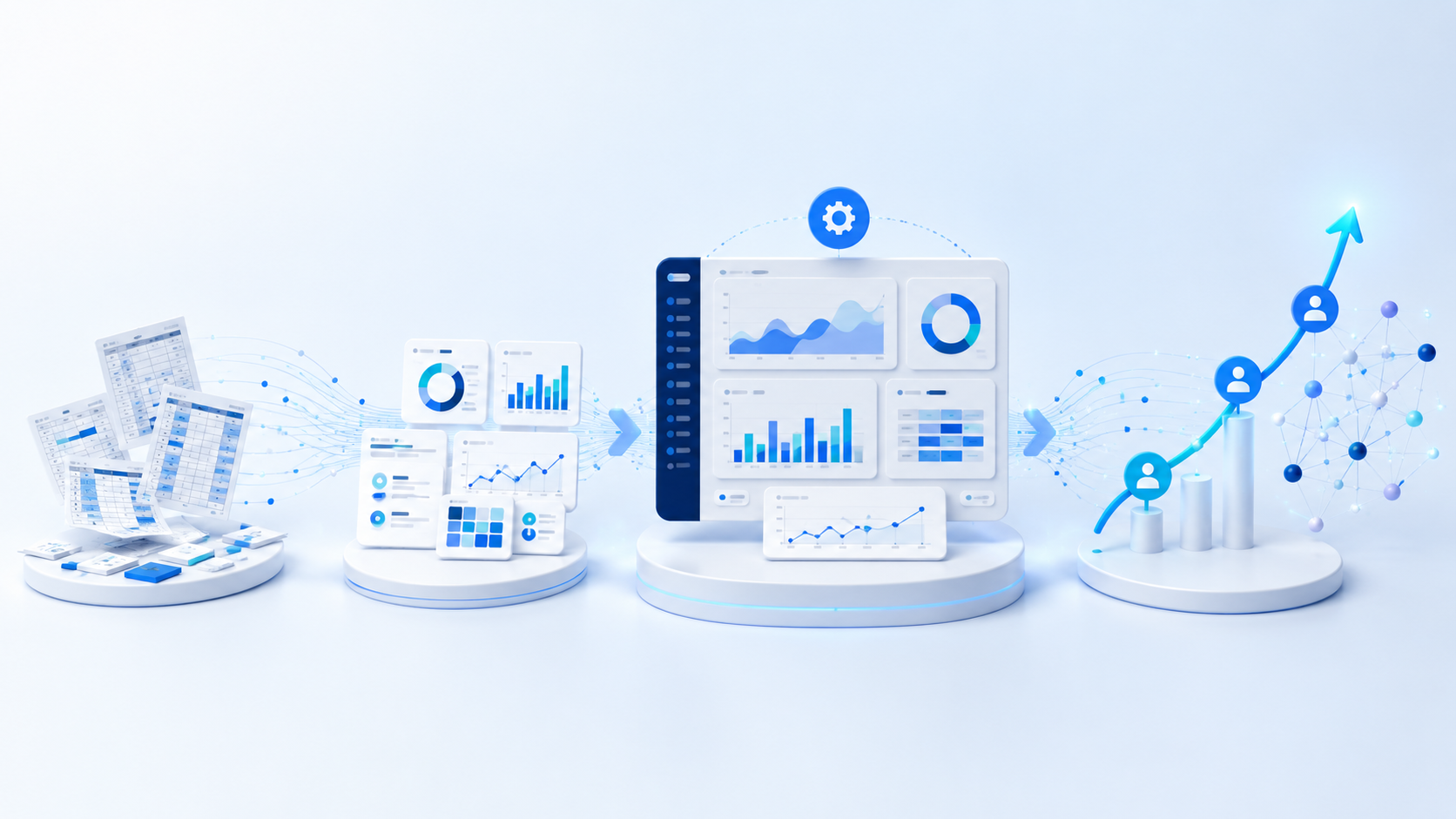
Centralize Your Data
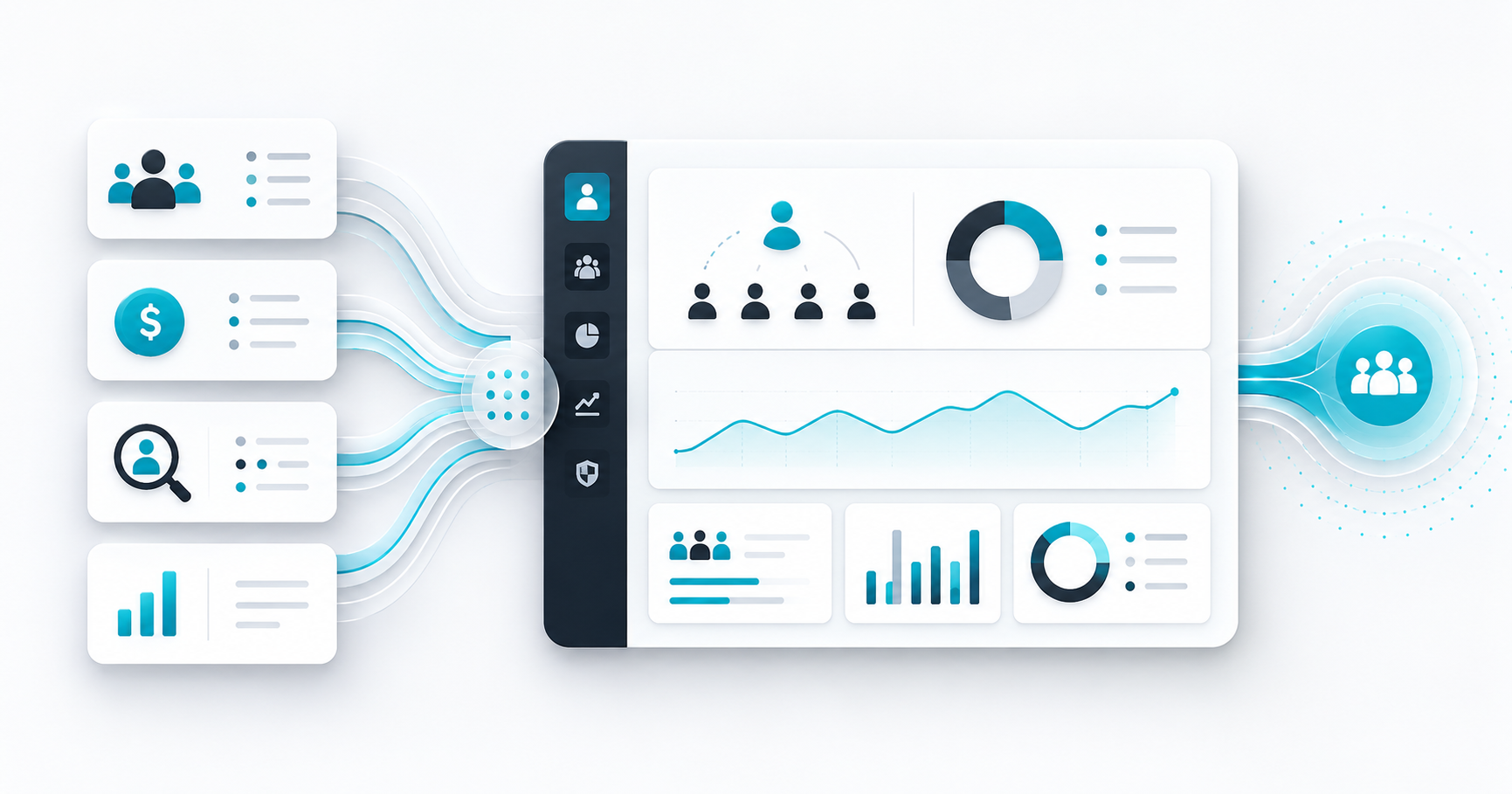
The first step is to centralize your data in one place. Use HR tools to collect and analyze new-hire data, including departure rates and employee feedback.
No, your HRIS alone will not allow you to do this.
Identify Trends
Once your data is centralized, you can use it to detect trends or significant differences across specific areas of your organization—for example, a higher departure rate in certain departments.
Create New-Hire Onboarding Dashboards
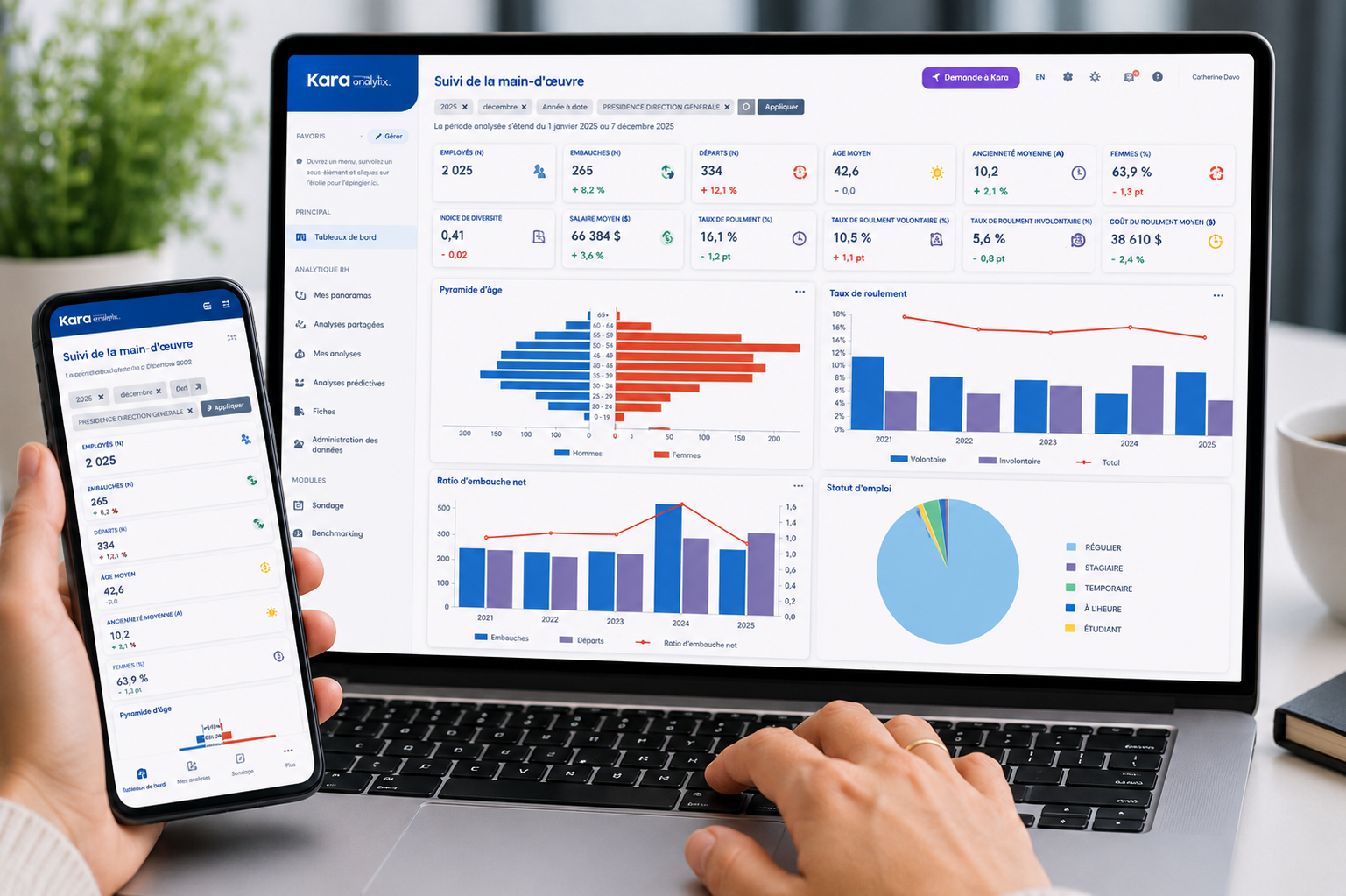
After analyzing your organization’s priorities and identifying the areas requiring attention, build a dashboard that presents the indicators needed to monitor the health of your onboarding process in real time.
Involve Key Stakeholders
As we often say, it is important to share your analytical findings with managers, HR teams, and senior leadership so they can take collaborative, informed action.
Ultimately, onboarding new talent should never be left to chance.
By regularly measuring your efforts through people analytics, you can transform your onboarding process into a powerful driver of retention, performance, and engagement.
We therefore recommend dedicating time to cleaning your data and ensuring its quality, while investing in the right tools and strategies so that every new employee begins their journey with your organization on the right foot.
What indicators do you use to measure the effectiveness of your new-hire onboarding process?
HR reporting rarely appears as a separate expense on an
Most organizations do not have an HR data problem. They
Not every organization approaches HR reporting the same way. Some
Manual HR reporting often costs more than organizations realize. The
HR reporting can be automated by connecting data from your
For many years, the HR Business Partner (HRBP) role was
You have an HR dashboard. But are you actually making
Digital transformation has become a top priority for organizations. Yet
Digital transformation has become a strategic priority for organizations of
Data has become an essential driver for HR teams. Yet
Where Does Your Organization Really Stand?
Compare your retention, turnover, absenteeism, and internal mobility metrics using the benchmarks from the 2026 HR Benchmarking Report.