Blog Details
- Home
- Centralizing HR Data to unlock its full value


Human resources generate an impressive amount of data. Recruitment, compensation, training, absenteeism, performance, engagement, health and safety—every HR activity leaves a digital footprint.
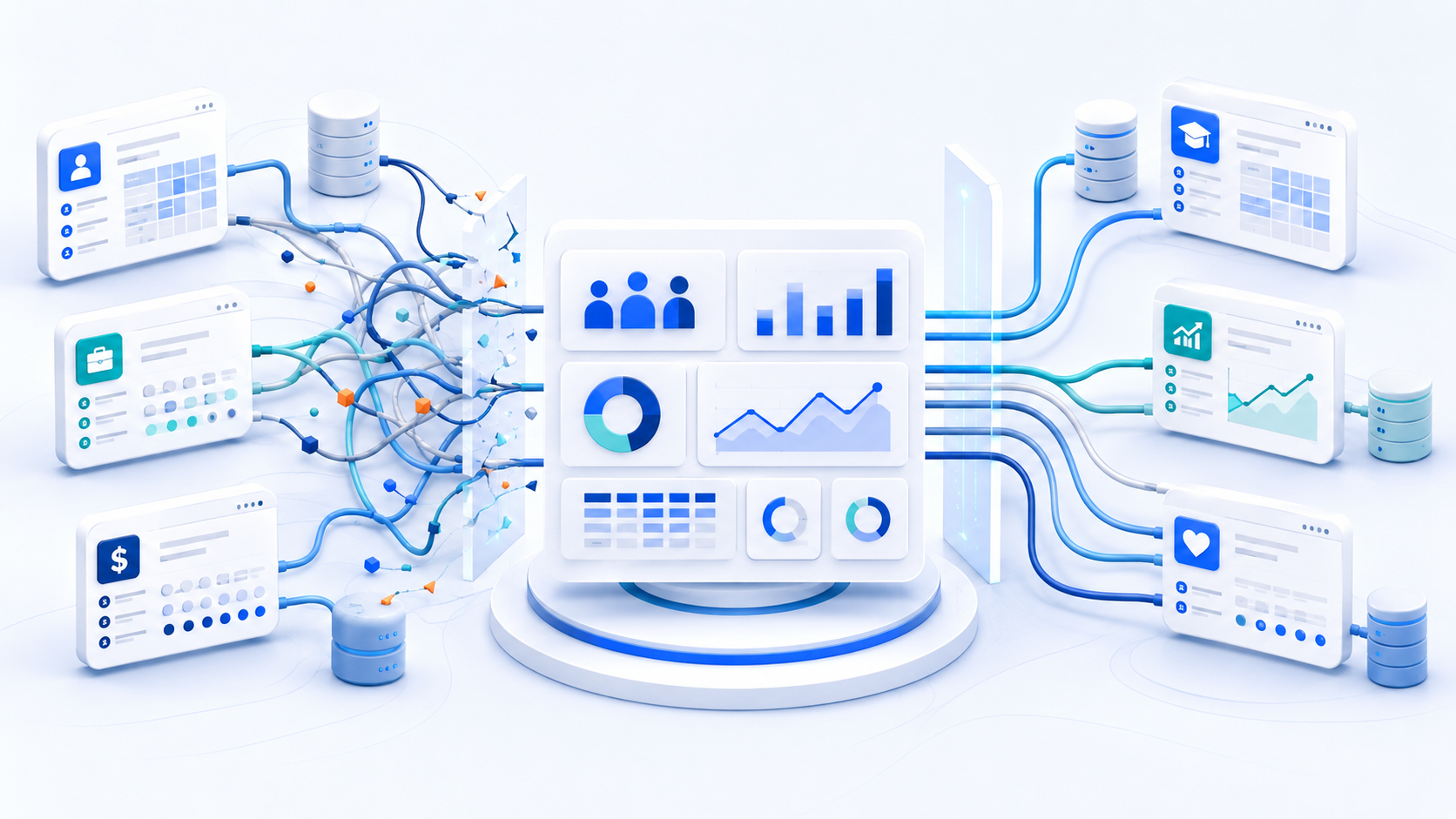
Yet in many organizations, this information remains scattered across multiple systems: a payroll platform, an applicant tracking system, a learning management system, numerous Excel files, and sometimes even manually maintained records. As a result, HR teams often spend more time searching for and consolidating information than analyzing it.
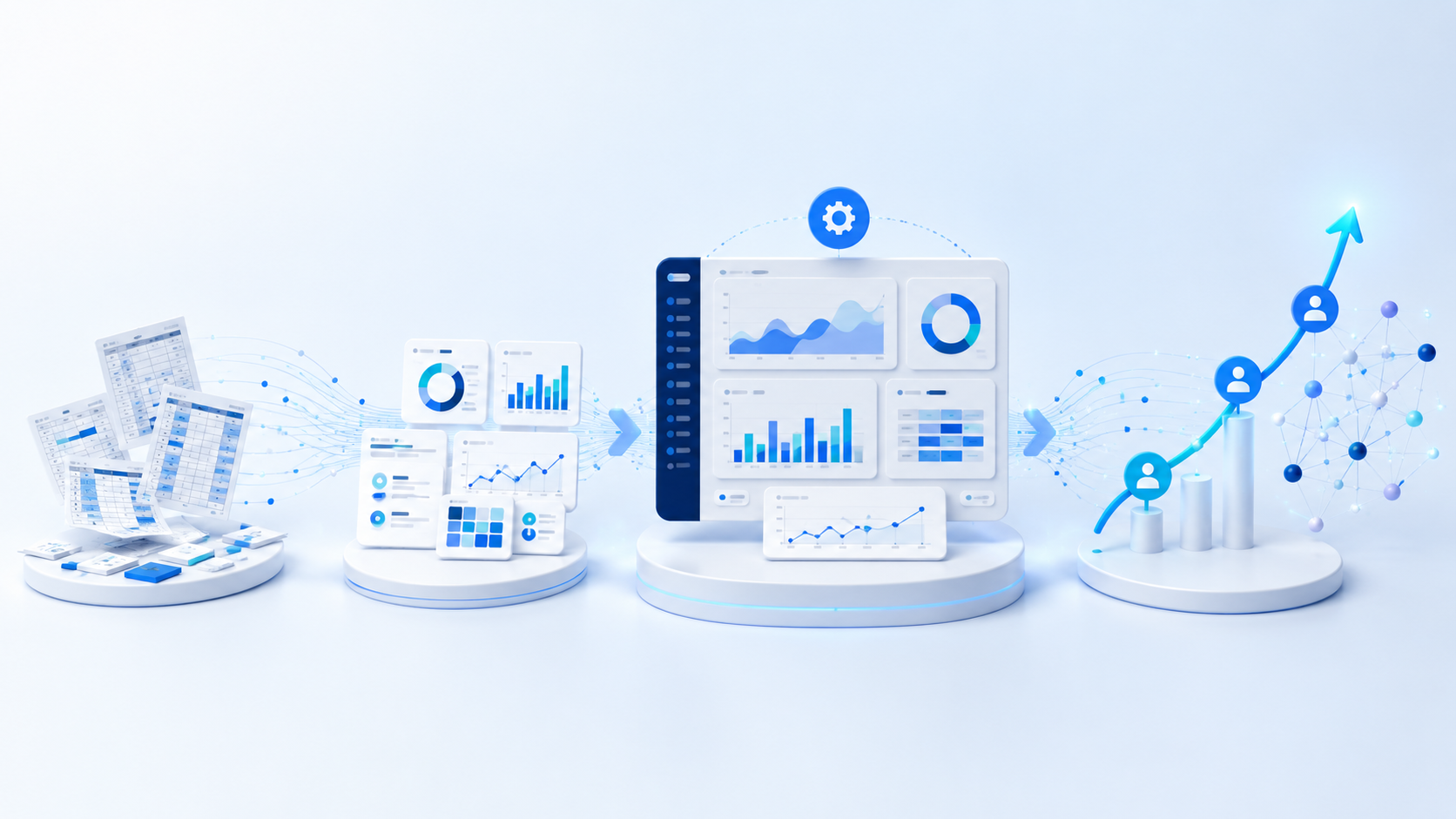
Bringing HR data together into a single, reliable source has become an essential step for organizations looking to adopt a more strategic and data-driven approach.
When information is spread across multiple systems, gaining a comprehensive view of organizational issues becomes difficult.
For example, an organization may want to understand why some new employees leave before completing their probation period. Recruitment data may be stored in one system, training information in another, performance evaluations in a third, and termination data in the payroll system.
While each source contains valuable information, connecting the dots to identify the true drivers of turnover can be challenging.
This fragmentation often leads to several consequences:
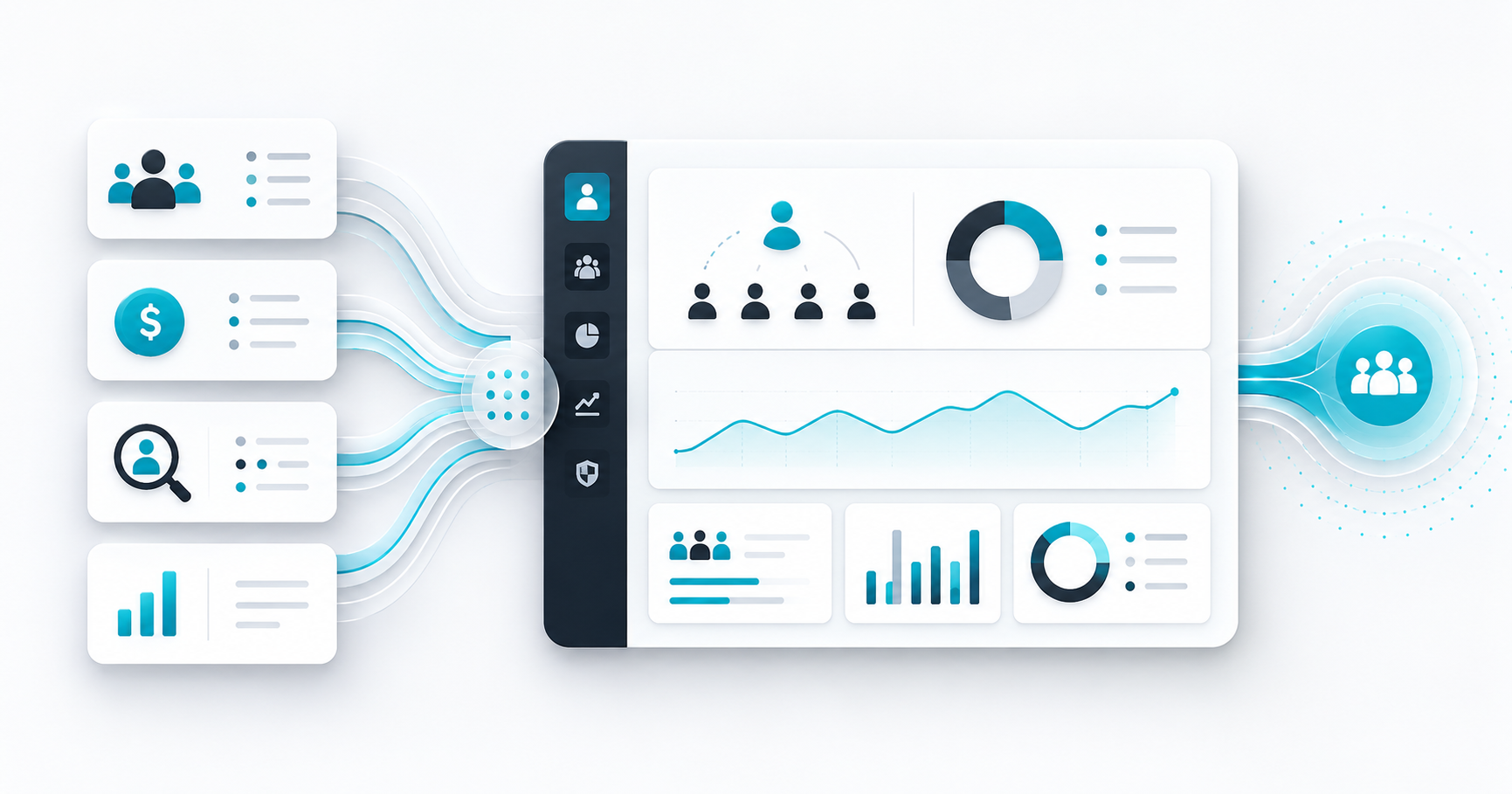
Unifying HR data enables organizations to create what many refer to as a “single source of truth.”
In practical terms, data from multiple systems is consolidated into a single structured database. Metrics, definitions, and calculations are standardized so that everyone is working from the same information.
This approach significantly reduces discrepancies between reports and increases confidence in the data.
When a manager reviews turnover or absenteeism rates, they can trust that the figures are based on a consistent methodology recognized across the organization.

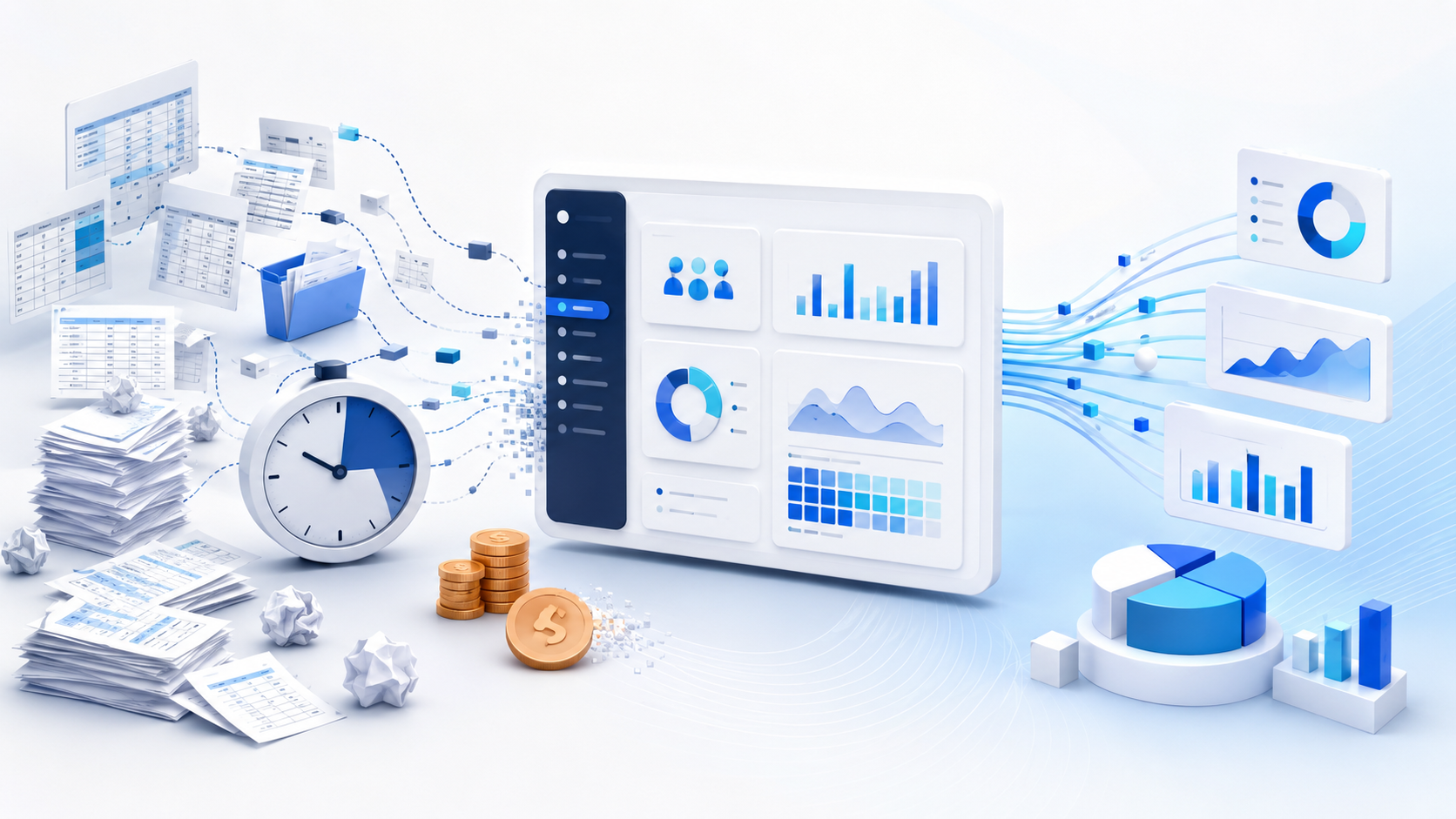
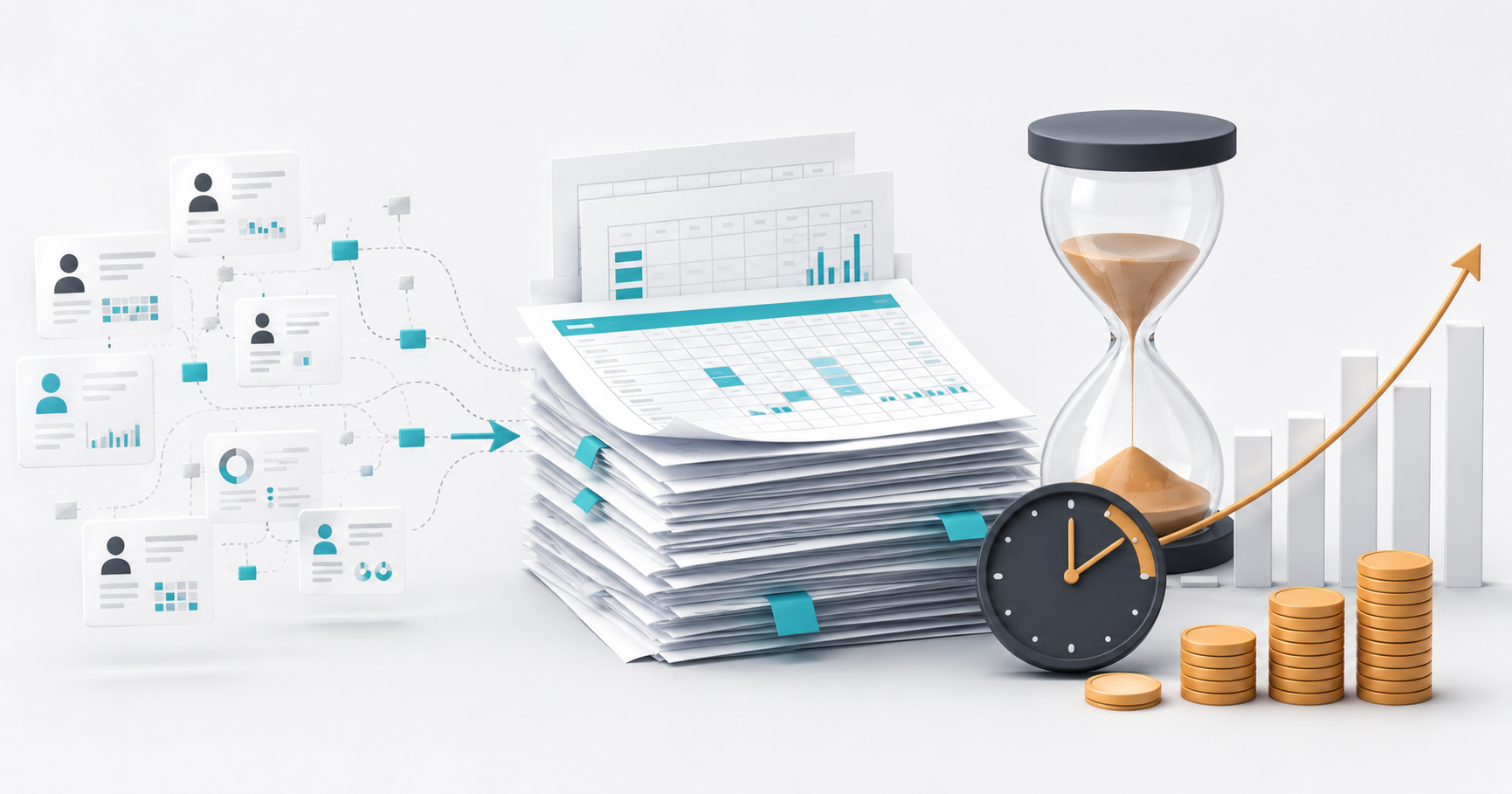
In many HR departments, producing a report can require several hours—or even several days—of work.
Data must be extracted from various systems, cleaned, merged, validated, and only then analyzed.
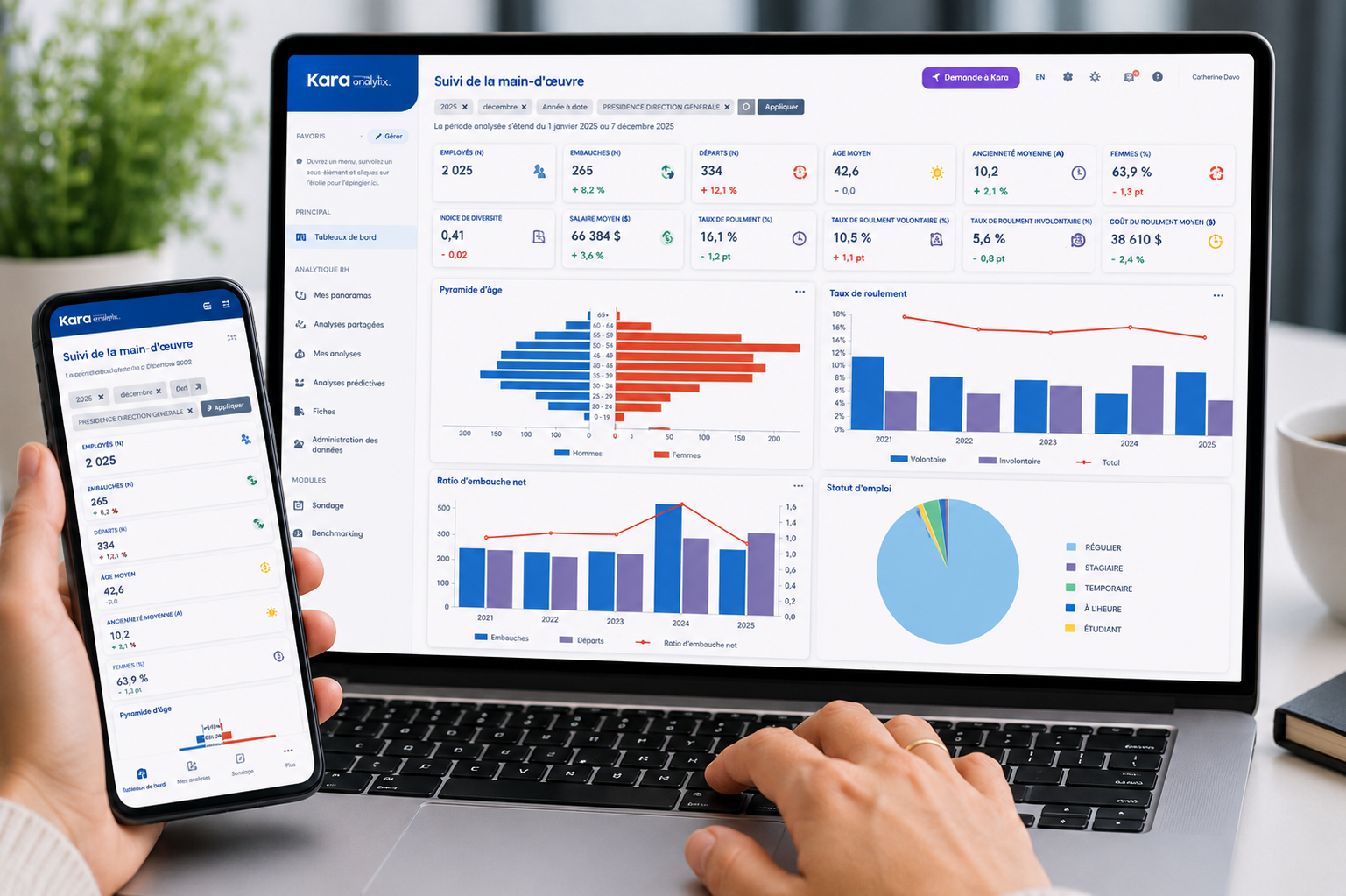
When data is centralized, much of this process becomes automated. Metrics are updated more quickly, allowing HR teams to spend less time calculating results and more time interpreting them.
This speed becomes particularly important when leaders need to make timely decisions in situations such as labor shortages, organizational restructuring, or periods of rapid growth.
The true value of People Analytics emerges when multiple data sources can be connected and analyzed together.
For example:
These questions often remain unanswered when data is isolated across different systems.
Data unification makes it possible to connect information, uncover relationships, and identify trends that would otherwise remain hidden.
High-performing organizations no longer focus solely on describing what has happened. They use their data to anticipate future challenges and guide strategic action.
To achieve this, they need data that is reliable, complete, and easily accessible.
A unified HR database can help organizations:
As a result, HR evolves from a primarily administrative and operational function into a more strategic and influential partner within the organization.
Before organizations can take advantage of artificial intelligence, advanced analytics, or sophisticated dashboards, they must ensure that their data is built on a solid foundation.
HR data unification is often the first step toward establishing a truly data-driven decision-making culture. The more centralized, reliable, and accessible the information, the more value HR teams can create for the organization.
Ultimately, the goal is not simply to consolidate data. It is to transform a collection of scattered information into actionable insights that help organizations better understand, manage, and develop their human capital.
Choose board HR metrics by starting with strategic priorities and
A board HR dashboard should explain workforce issues that could
HR reporting rarely appears as a separate expense on an
Most organizations do not have an HR data problem. They
Not every organization approaches HR reporting the same way. Some
Manual HR reporting often costs more than organizations realize. The
HR reporting can be automated by connecting data from your
For many years, the HR Business Partner (HRBP) role was
You have an HR dashboard. But are you actually making
Digital transformation has become a top priority for organizations. Yet
Discover the essential HR metrics to present and learn how to turn your workforce data into strategic decisions.