How Much Is Manual HR Reporting Costing Your Organization?
HR reporting rarely appears as a separate expense on an organization’s financial statements.
But that does not mean it is free.
Every month, HR teams spend time exporting data, cleaning spreadsheets, validating workforce metrics, rebuilding recurring reports, and responding to new leadership requests.
Individually, these tasks may appear relatively small.
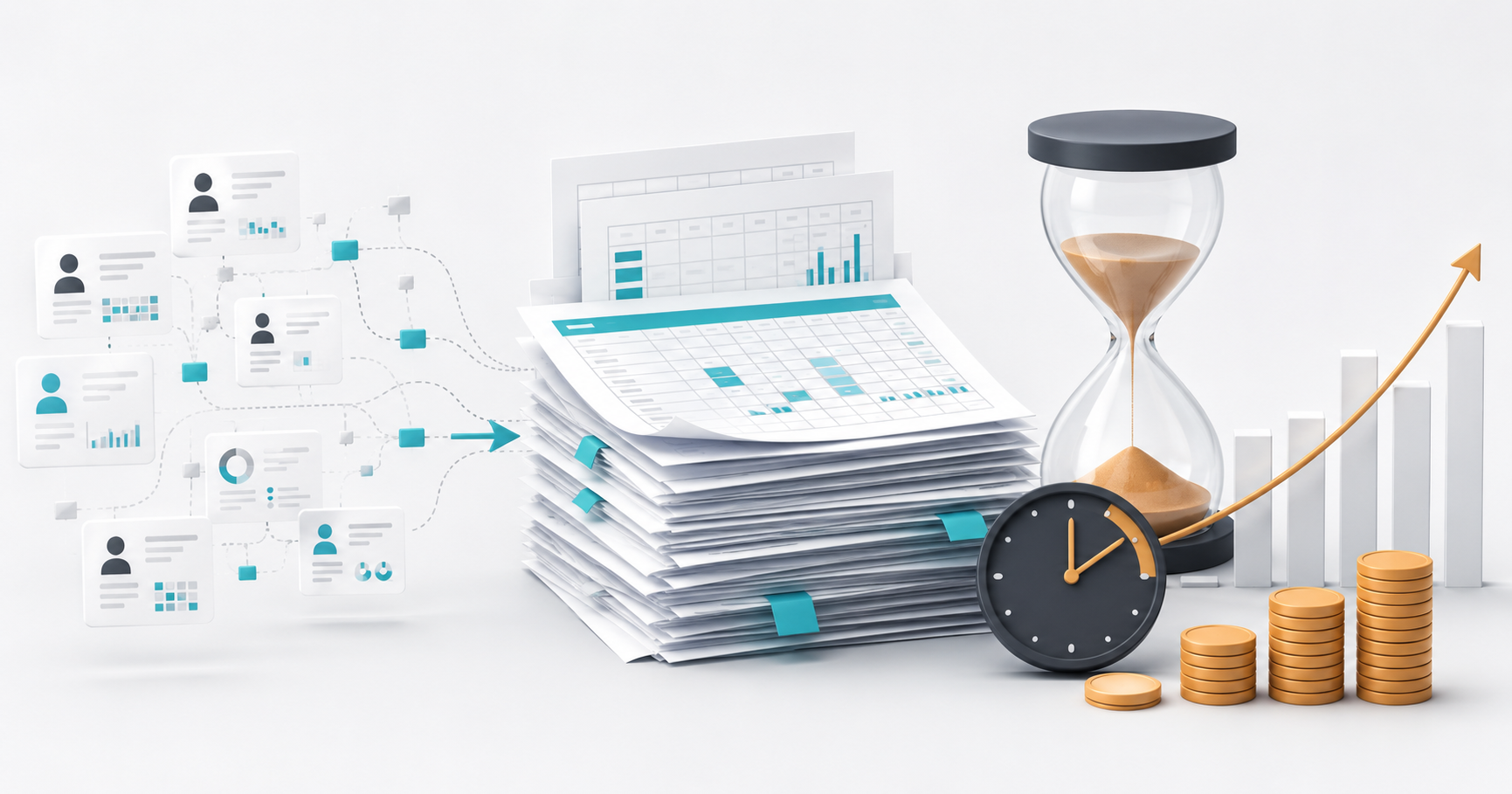
Across an entire year, the cost of manual HR reporting can become significant.
The challenge is that most organizations have never calculated it.
More importantly, every hour spent preparing data is an hour that can’t be spent analyzing workforce trends, identifying emerging risks or helping leaders make better people decisions. The true cost of manual HR reporting isn’t just operational — it’s strategic.
What Is the Cost of Manual HR Reporting?
The cost of manual HR reporting is the employee time spent preparing workforce information before meaningful analysis can begin.
Consider a simple example.
An HR team spends approximately 40 hours per month preparing recurring workforce reports.
If the estimated fully loaded hourly cost of the employees involved is $60 per hour, the annual reporting cost would be:
40 hours × $60 × 12 months = $28,800 per year
That estimate only considers recurring reporting time.
It may not include:
- — ad hoc leadership requests
- — correcting reporting errors
- — validating conflicting metrics
- — rebuilding broken spreadsheets
- — consolidating data from new HR systems
- — recreating reports when employees change roles
The actual reporting effort may therefore be higher.
However, the financial cost tells only part of the story. Every hour spent collecting, cleaning and validating data is an hour that cannot be spent identifying retention risks, supporting workforce planning, advising leaders or uncovering insights that drive better business decisions.
That’s why, at Kara Analytix, we don’t look at reporting efficiency solely as a productivity issue. We see it as an opportunity to shift HR teams away from repetitive data preparation and toward higher-value analysis and strategic decision-making.
Why Is HR Reporting So Time-Consuming?
The report itself is rarely the most difficult part.
The work usually happens before the report is created.
HR teams may need to:
- export information from several HR systems
- clean and standardize the data
- match employee records
- validate reporting periods
- calculate workforce metrics
- compare results with previous reports
- investigate unexpected differences
- rebuild charts or dashboards
Only then can the information be presented to leadership.
By the time the report is ready, much of the effort has already been spent preparing the data rather than interpreting what it means. Yet the greatest value comes from the conversations and decisions the data enables — not from the report itself.
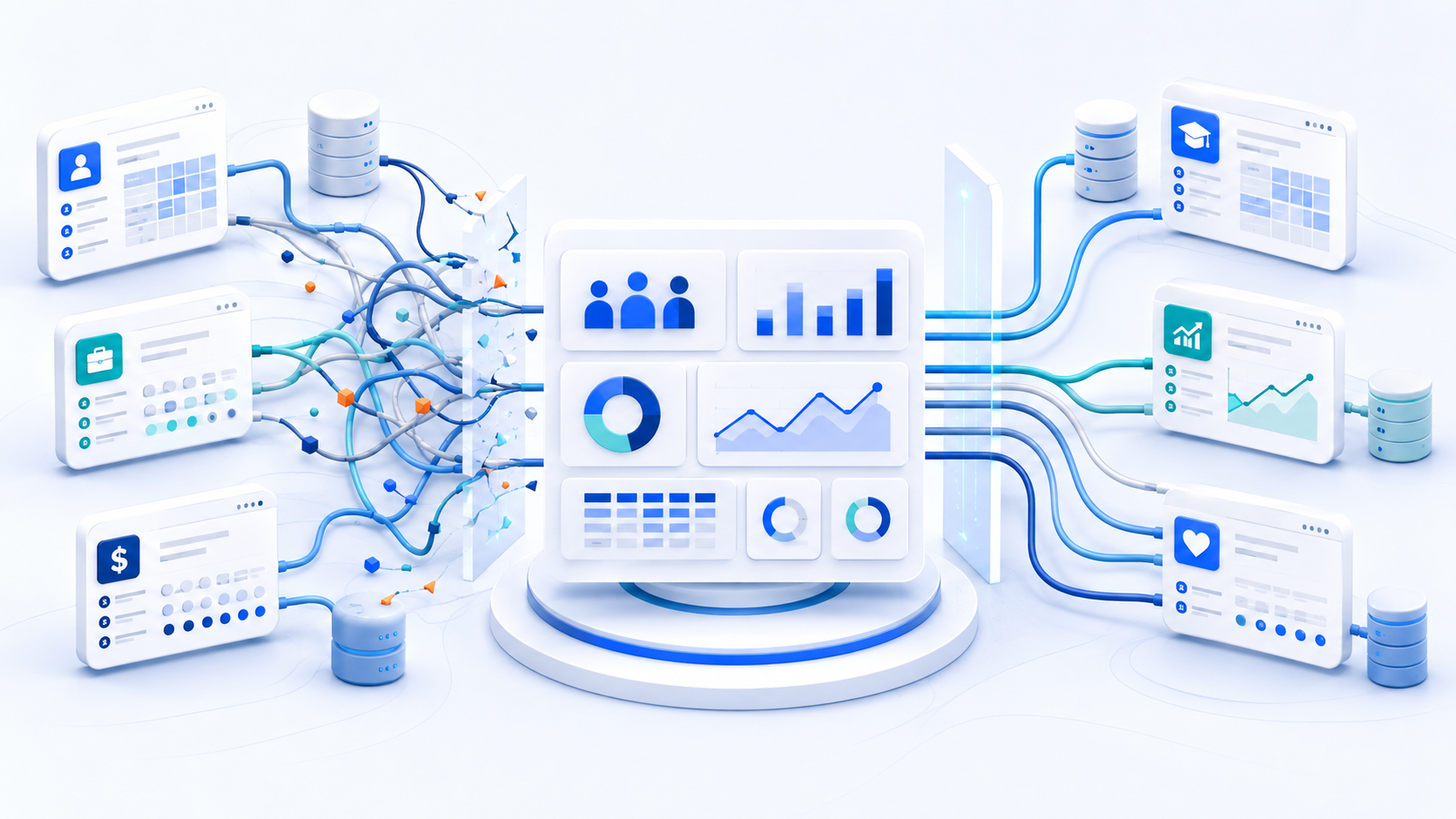
This is why HR data fragmentation can have such a significant impact on reporting efficiency.
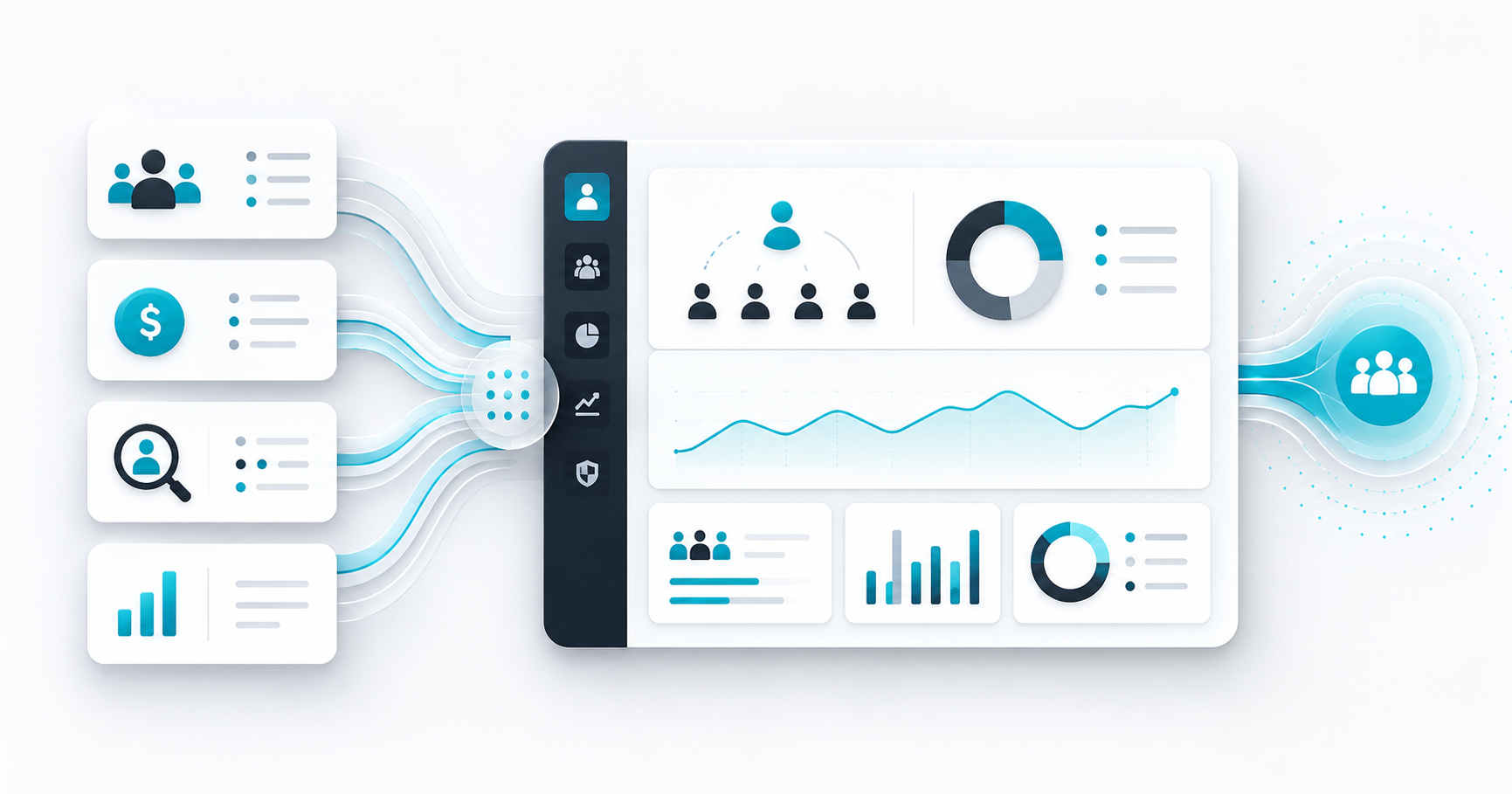
When workforce information exists across multiple systems, spreadsheets often become the manual integration layer between them.
Rather than focusing on workforce trends, retention risks or organizational performance, HR professionals can find themselves spending valuable time simply making the data usable.
How Do You Calculate Your HR Reporting Cost?
A simple reporting cost estimate requires two variables:
Monthly reporting hours × Estimated hourly employee cost × 12 months
For example:
| Monthly Reporting Hours | Hourly Cost | Estimated Annual Cost |
| 20 hours | $60 | $14,400 |
| 40 hours | $60 | $28,800 |
| 80 hours | $60 | $57,600 |
| 120 hours | $60 | $86,400 |
These figures represent estimated employee time allocated to reporting preparation.
The calculation does not suggest that this entire cost can be eliminated.
Some reporting activities will always require human expertise, such as validating data, interpreting workforce trends and providing recommendations to leaders.
The real opportunity is to reduce the time spent on repetitive, manual preparation so HR professionals can dedicate more time to analysis, strategic planning and decision support.
What Manual HR Reporting Tasks Can Be Automated?
Not every reporting activity should be automated.
Strategic analysis, identifying workforce risks, interpreting trends and advising leaders all require human judgment. These are the activities where HR professionals create the greatest value.
However, many repetitive reporting tasks can often be streamlined or automated.
Examples include:
- — recurring data extraction
- — data consolidation
- — standardized KPI calculations
- — monthly workforce dashboards
- — historical trend updates
- — recurring leadership reports
- — workforce metric monitoring
If the same report is rebuilt every month using the same systems, the same calculations and the same manual steps, it’s worth asking whether that process could be improved
The question is:
Are HR professionals spending time interpreting workforce information—or repeatedly preparing it?
What Is the Opportunity Cost of Manual HR Reporting?
The cost of reporting is not limited to employee hours.
There is also an opportunity cost.
Every hour spent preparing data is an hour that cannot be invested in activities that have a direct impact on the business.
Every hour spent preparing data is an hour that cannot be invested in activities that have a direct impact on the business.
For example:
- — workforce planning
- — retention analysis
- — talent strategy
- — organizational design
- — leadership advisory
- — employee experience initiatives
An HR analyst who spends two days each month preparing recurring reports is not necessarily generating two days of new insight.
A significant portion of that time may simply be required to make the data usable.
The greatest value of HR reporting isn’t the report itself — it’s the decisions that follow.
When reporting becomes faster and more reliable, HR teams gain time to identify workforce trends, anticipate risks, answer business questions and provide leaders with actionable insights.
At Kara Analytix, we believe this is where People Analytics creates the greatest impact: not by producing more reports, but by enabling HR professionals to spend more time understanding their workforce and helping leaders make better, evidence-based decisions.
Improving reporting efficiency isn’t just about saving time.
It’s about increasing the strategic capacity of HR.
How Does Reporting Maturity Affect Reporting Cost?
Organizations with lower HR reporting maturity typically rely more heavily on manual processes.
Reports may be rebuilt in spreadsheets.
Metric definitions may vary.
Data may need to be consolidated from several systems.
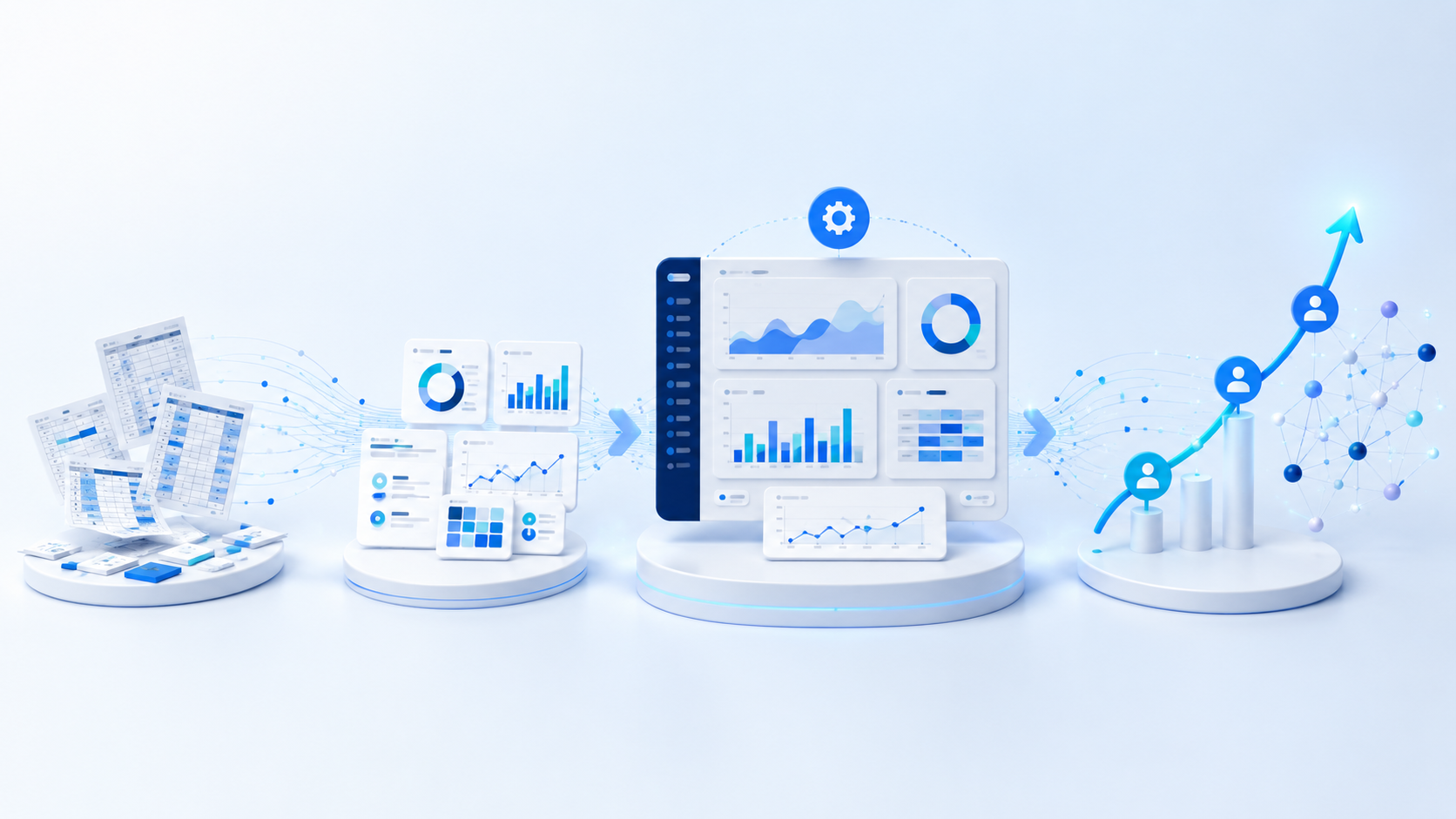
As reporting maturity improves, organizations can standardize metrics, automate recurring processes, and centralize workforce information.
This does not eliminate the role of HR analysts.
It changes where their time is spent.
Instead of asking:
“How do I build this report?”
The question becomes:
“What is this workforce data telling us?”
“What risks should we anticipate?”
“What actions should we take?”
Reporting is no longer viewed as the final objective. It becomes the foundation for generating trusted workforce insights, supporting leaders and making faster, evidence-based decisions.
How Much Reporting Time Could Be Reduced?
The answer depends on the organization’s current reporting process.
An HR team that already uses standardized dashboards may have limited manual reporting effort.
Another organization may spend dozens or even hundreds of hours each month consolidating workforce data.
The largest opportunities typically exist when:
- — HR data is distributed across several systems
- — recurring reports depend on spreadsheets
- — metrics are manually calculated
- — reports are rebuilt every month
- — leadership frequently requests ad hoc analysis
- — reporting depends heavily on specific employees
The first step is understanding the current reporting environment.
Calculate the Hidden Cost of Your HR Reporting Process
Kara Analytix’s HR Reporting Efficiency Calculator provides a quick assessment of your current reporting environment.
Based on your reporting process, the assessment estimates:
- — your annual HR reporting cost
- — potential reporting efficiency opportunities
- — estimated time savings
- — your HR reporting maturity level
- — your largest reporting bottleneck
The assessment takes approximately two minutes and provides your results immediately.
→ Calculate Your HR Reporting Cost
No spreadsheet required.
FAQ
How much does manual HR reporting cost?
The cost depends on the number of employee hours spent preparing reports and the estimated hourly cost of the employees involved. Organizations can estimate the annual cost by multiplying monthly reporting hours by hourly employee cost and 12 months.
How do you calculate HR reporting cost?
A simple formula is: monthly HR reporting hours × estimated hourly employee cost × 12 months.
Can HR reporting be automated?
Recurring data extraction, consolidation, KPI calculations, dashboards, and standardized reports can often be partially or fully automated. Strategic interpretation and workforce decision-making still require human judgment.
Why does HR reporting take so much time?
HR reporting often requires data to be exported, cleaned, validated, and combined from multiple HR systems before analysis can begin.
What is an HR reporting efficiency calculator?
An HR reporting efficiency calculator assesses an organization’s reporting process and estimates reporting costs, potential efficiency opportunities, time savings, and reporting maturity.