Blog Details
- Home
- People Analytics: What Are the Differences Between HR Dashboards, Advanced Analytics, and Predictive Analytics


The terms HR dashboards, advanced analytics, and predictive analytics are often used interchangeably and confused with one another. However, they represent three very different levels of analytical maturity in human resources, and it is essential to understand these distinctions in order to transform HR data into a true strategic lever.
So, what are the differences?
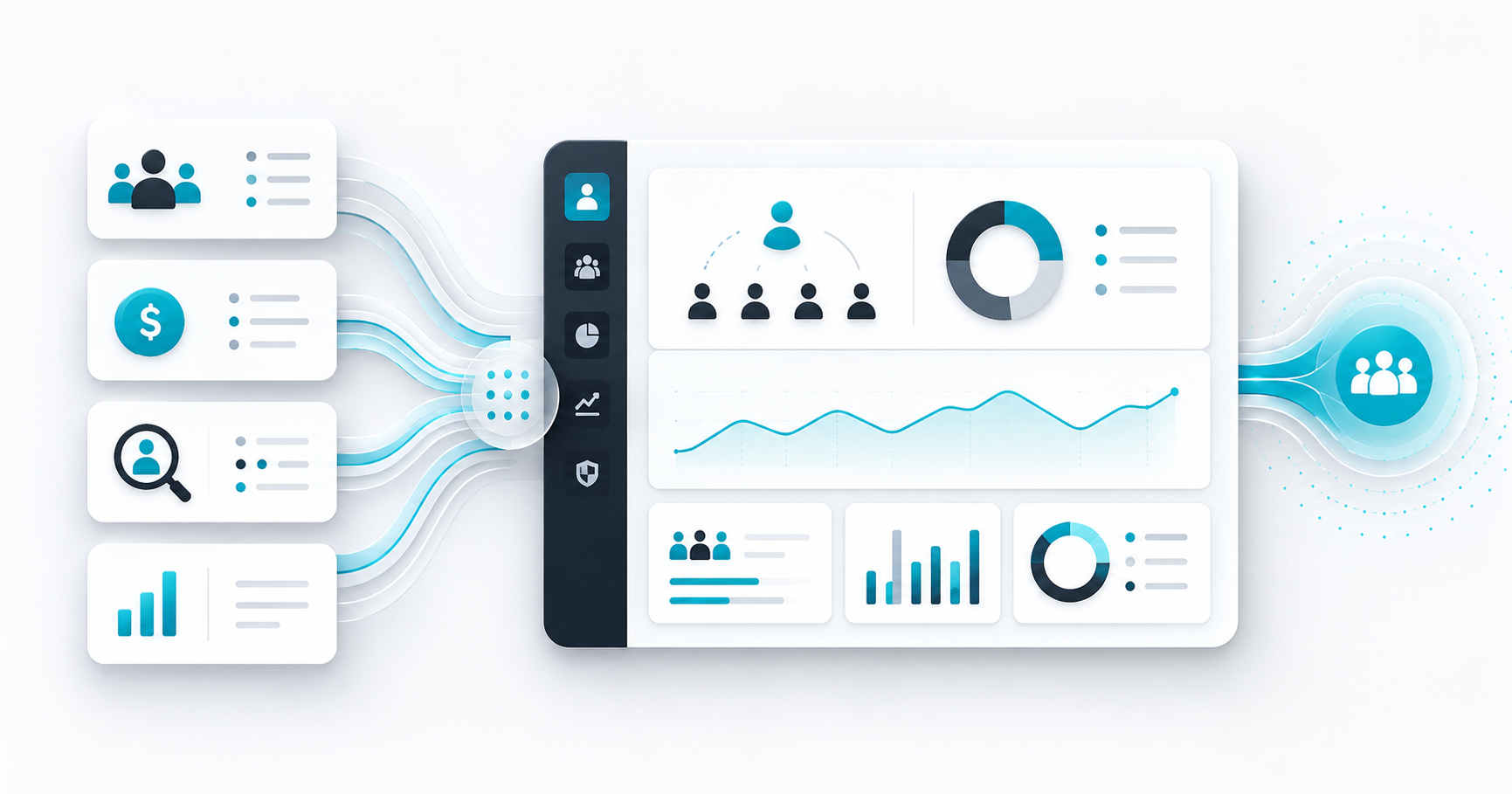
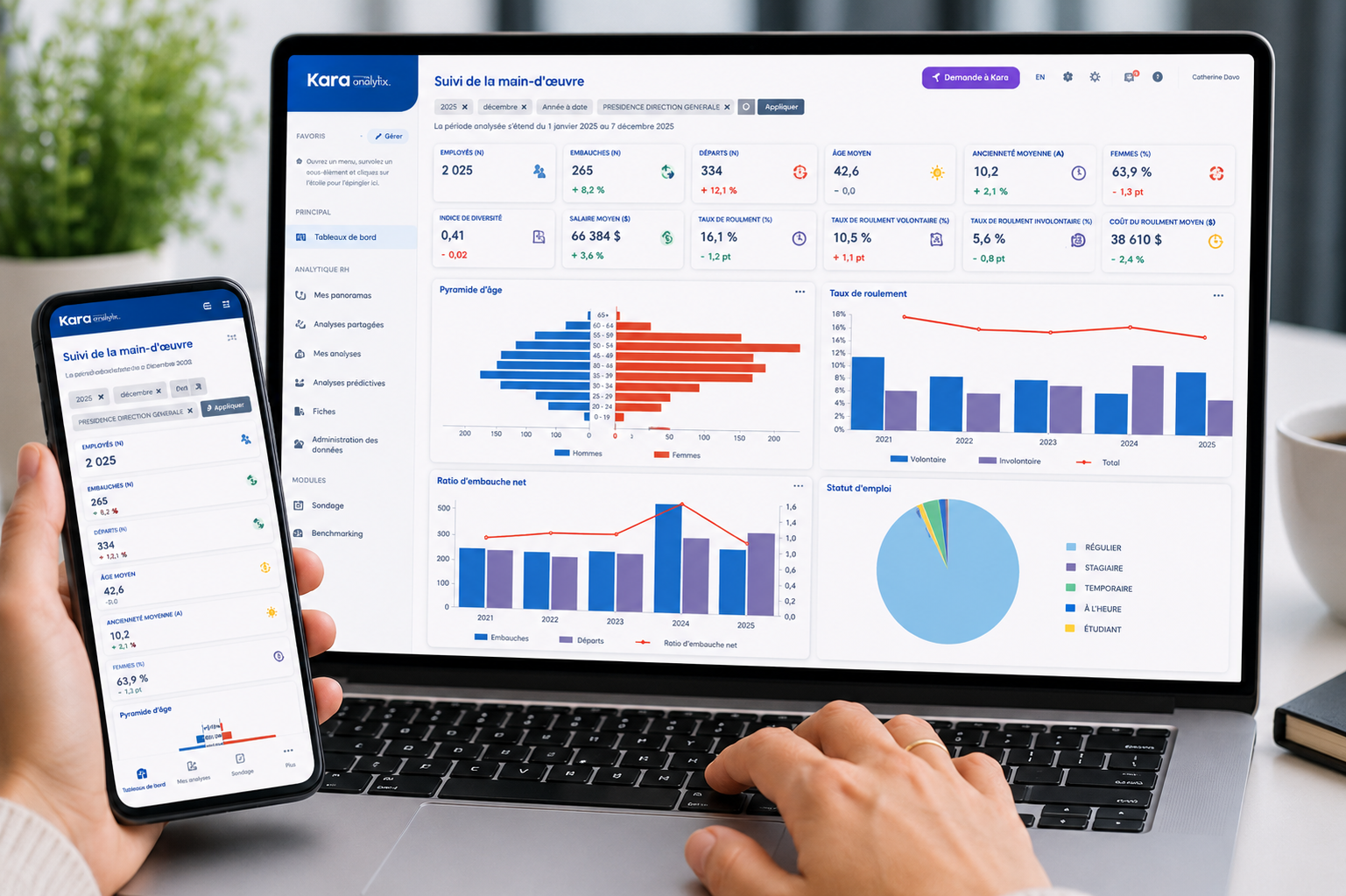
HR dashboards represent one of the first steps in People Analytics.
They allow you to quickly visualize key indicators such as:
The main objective is simple: to centralize and make HR data accessible, and to observe what has happened within the organization.
For example, you might consult a dashboard to see:
Limitations of dashboards
Although extremely useful, dashboards remain descriptive. They show data but rarely explain underlying causes. In other words, they keep us informed, but they do not always interpret.

Advanced analytics go further than simply displaying indicators on a dashboard. They aim to combine different data sources, analyze trends, identify correlations, and, most importantly, guide strategic decision-making.
With advanced analytics, teams can begin to answer more complex questions such as:
For example, advanced analytics might reveal that:
Here, we are no longer only looking at what is happening, but also at why.
The real value of advanced analytics
Advanced analytics transform data into actionable insights.
They help prioritize HR actions, support managers, detect hidden issues, and back decisions with facts rather than intuition.

Predictive analytics represent an even more advanced level. The goal is no longer only to understand the past, but to anticipate future events based on historical data.
Using statistical models or artificial intelligence, it becomes possible to predict turnover risk, future hiring needs, risks of disability leave, and more.
For example, a predictive model might identify factors that significantly increase the risk of turnover:
The organization can then intervene before the employee leaves.
Predictive analytics answer the question:
“What is likely to happen in the near future?”
| Level | Objective | Main question |
| HR Dashboards | Visualize data | What is happening? |
| Advanced Analytics | Understand trends and causes | Why is this happening? |
| Predictive Analytics | Anticipate future events | What is likely to happen? |
Many organizations believe they are doing People Analytics when they are mainly using descriptive dashboards. However, simply displaying data is not always enough to support strategic decision-making.
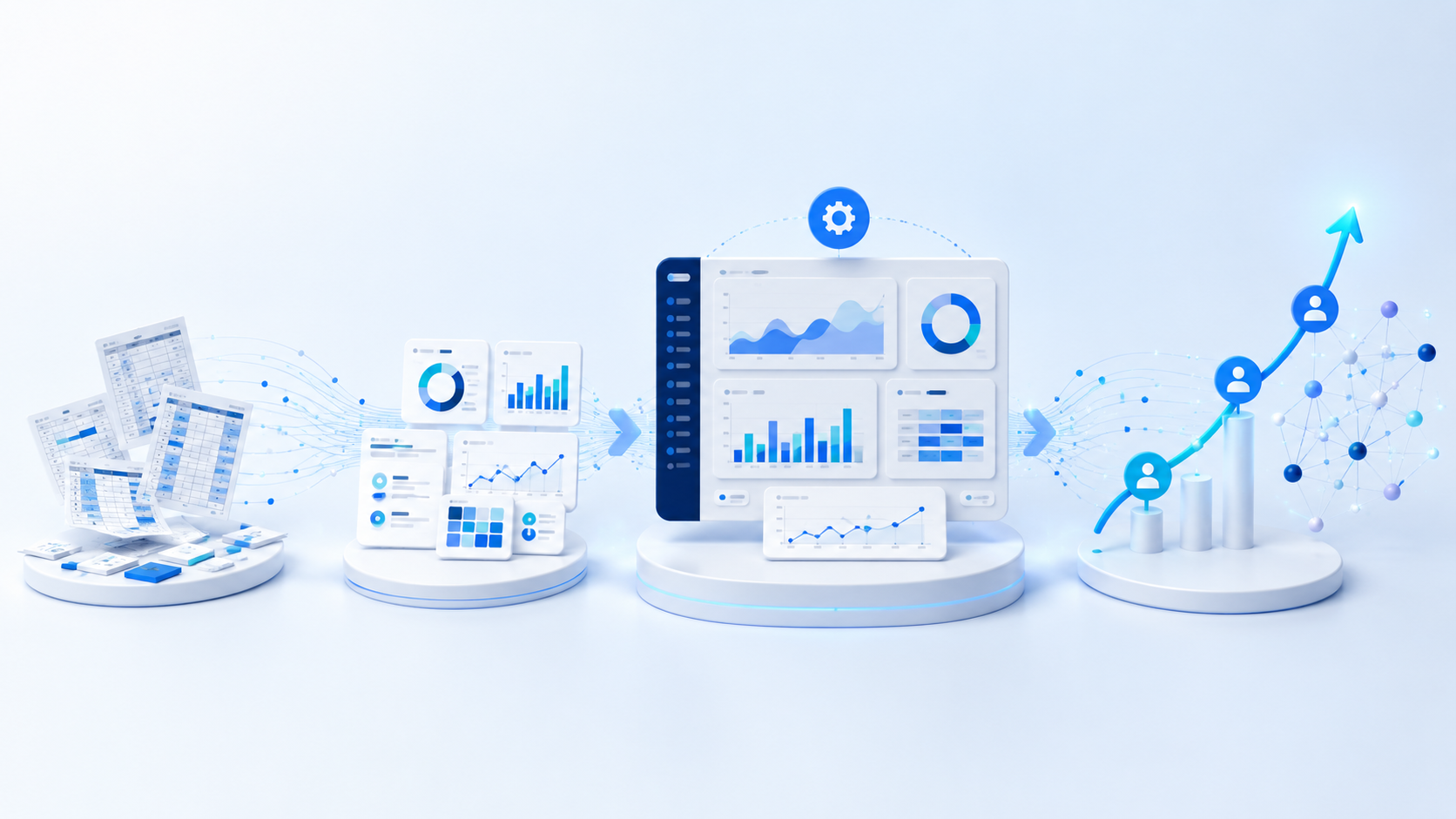
True People Analytics maturity develops progressively:
Each step adds more organizational value.
A common mistake is trying to implement artificial intelligence or predictive analytics without first having reliable and well-structured data. You know the expression “you have to learn to walk before you run”? It applies here as well. Each step is essential to progress and reach your goal.
So, before discussing advanced models, you must first:
These foundations remain critical.
HR dashboards, advanced analytics, and predictive analytics are not opposed to one another: they represent different stages in the evolution of strategic HR data use.
Today, the most advanced organizations no longer simply look at their indicators. They use data to understand, anticipate, and act faster. And that is precisely where People Analytics becomes a true business lever.
HR reporting rarely appears as a separate expense on an
Most organizations do not have an HR data problem. They
Not every organization approaches HR reporting the same way. Some
Manual HR reporting often costs more than organizations realize. The
HR reporting can be automated by connecting data from your
For many years, the HR Business Partner (HRBP) role was
You have an HR dashboard. But are you actually making
Digital transformation has become a top priority for organizations. Yet
Digital transformation has become a strategic priority for organizations of
Data has become an essential driver for HR teams. Yet
Where Does Your Organization Really Stand?
Compare your retention, turnover, absenteeism, and internal mobility metrics using the benchmarks from the 2026 HR Benchmarking Report.