Blog Details
- Home
- Why Excel Can’t Deliver True People Analytics


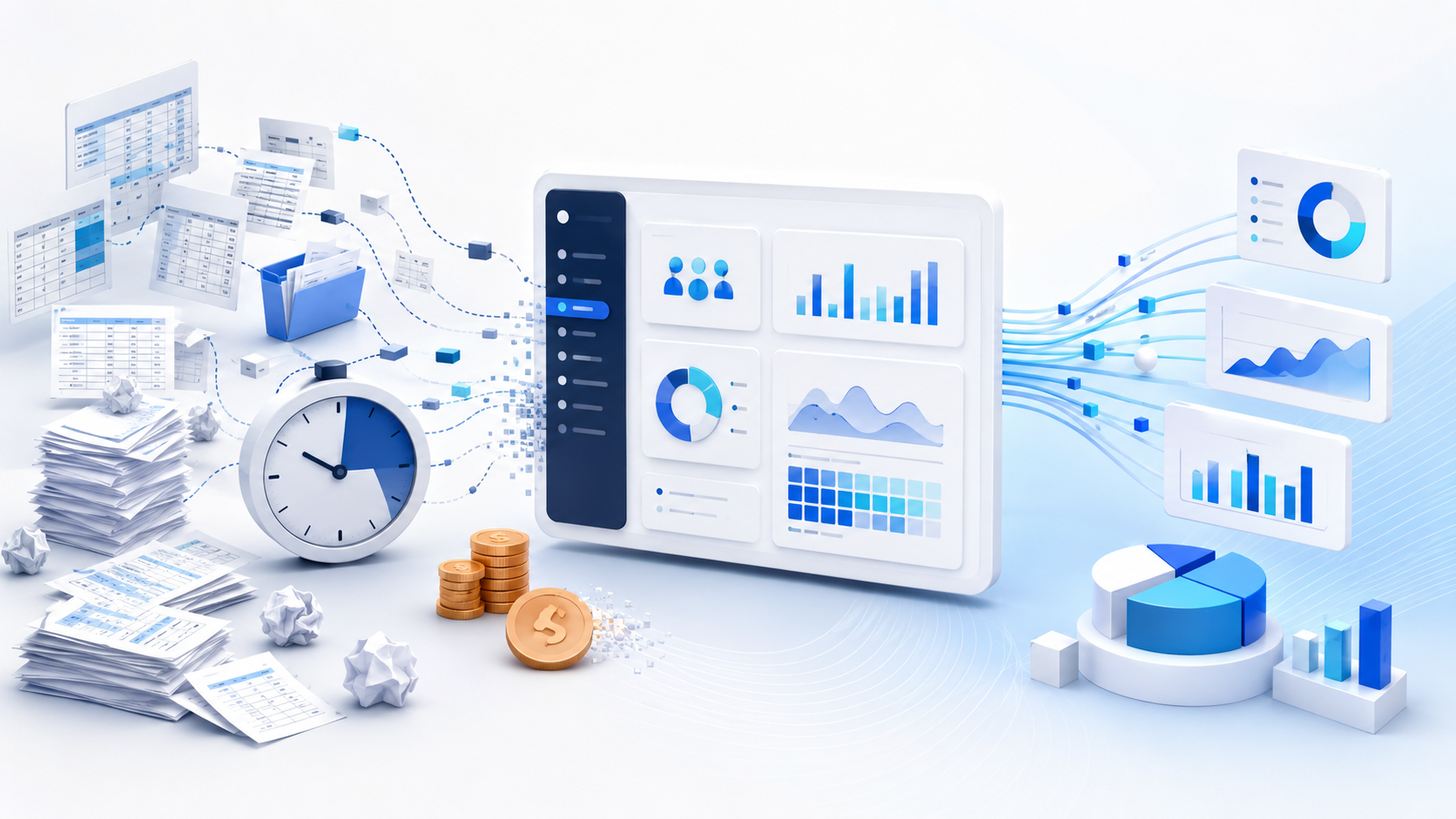
For a long time, Excel has been the go-to tool for HR professionals. Simple, flexible, and widely accessible, it allows for the creation of dashboards, quick calculations, and the centralization of certain data, at a lower cost. But when it comes to true HR analytics, Excel quickly reaches its limits.
HR analytics is not limited to producing reports or tracking indicators like turnover rate or absenteeism rate. It is a process that aims to identify trends, understand causes, and predict future behaviors (such as voluntary departures or psychological disability risks).
However, Excel lacks the machine learning, statistical modeling, or massive data integration capabilities required for these predictive analyses. Even with complex formulas, we remain in a descriptive logic. We look at what has happened instead of anticipating.
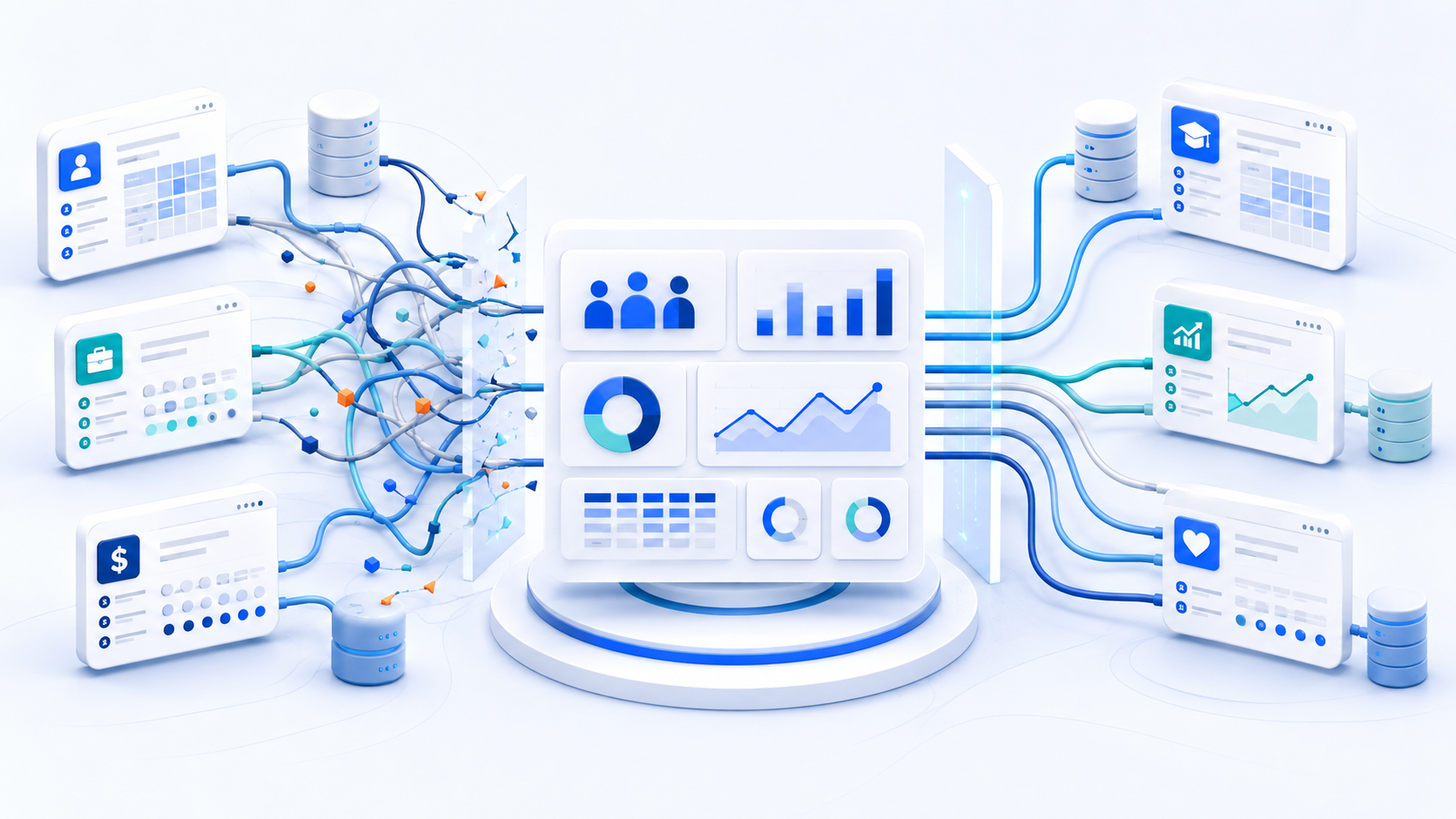
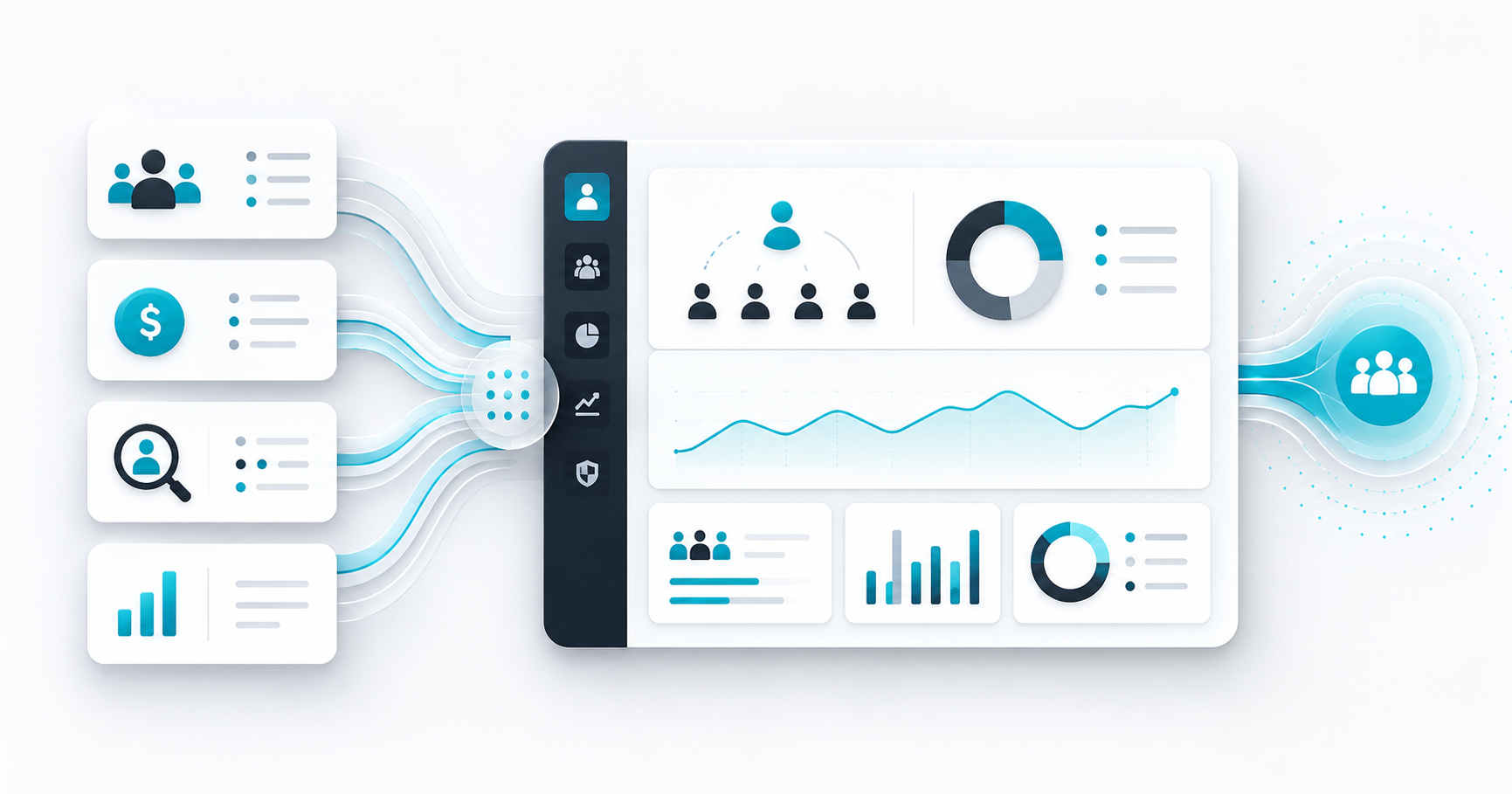
HR data is often scattered across a multitude of systems: payroll systems, HRIS, ATS, surveys, performance management, etc. To cross-reference them effectively, a platform capable of connecting multiple data sources in real-time and automatically cleaning information is needed.
Excel, on the other hand, operates on static files. Manual updates increase the risk of error and quickly render analyses obsolete. In other words: Excel freezes data instead of keeping it alive.
Maintaining an Excel file is highly prone to errors (data is entered by humans, as are formulas, etc.). In HR analytics, where every decision can impact employees and the organization, these errors can be costly: a misunderstanding and misinterpretation of the turnover rate, an error in calculating overtime, or a flawed projection can influence strategic decisions.

HR analytics relies on collaboration between several departments: human resources, finance, operations, senior management, etc. Excel is not designed to enable continuous collaborative work. Shared files multiply, versions get mixed up, and traceability disappears.
A centralized HR analytics solution allows all stakeholders to work from a single source of truth, with controlled access (which allows access only to data we are authorized to see) and automatically updated data.
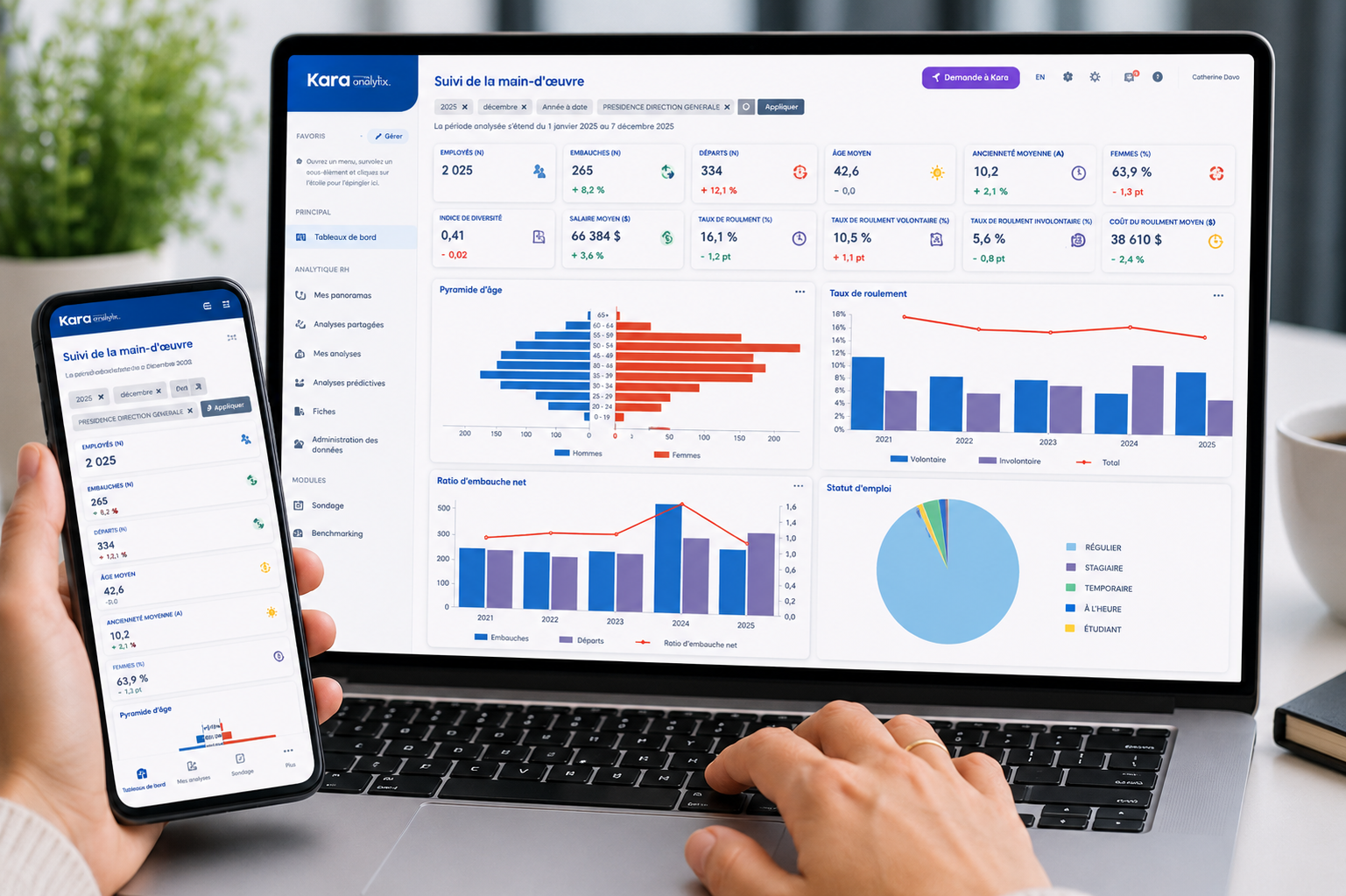
Excel can create simple charts, but People Analytics requires dynamic visualizations that can explain the why behind the numbers: segmentation by department, tenure, gender, or age group; performance trends over time; or correlations between indicators.
Modern HR analytics tools include interactive, intuitive, and customizable dashboards that help users tell the story behind the data—and make it actionable.
However, to be honest, Excel is probably the most appropriate tool if you have fewer than 50 employees. Excel remains useful for certain administrative tasks or when conducting a proof of concept, but it cannot meet the requirements of HR analytics.
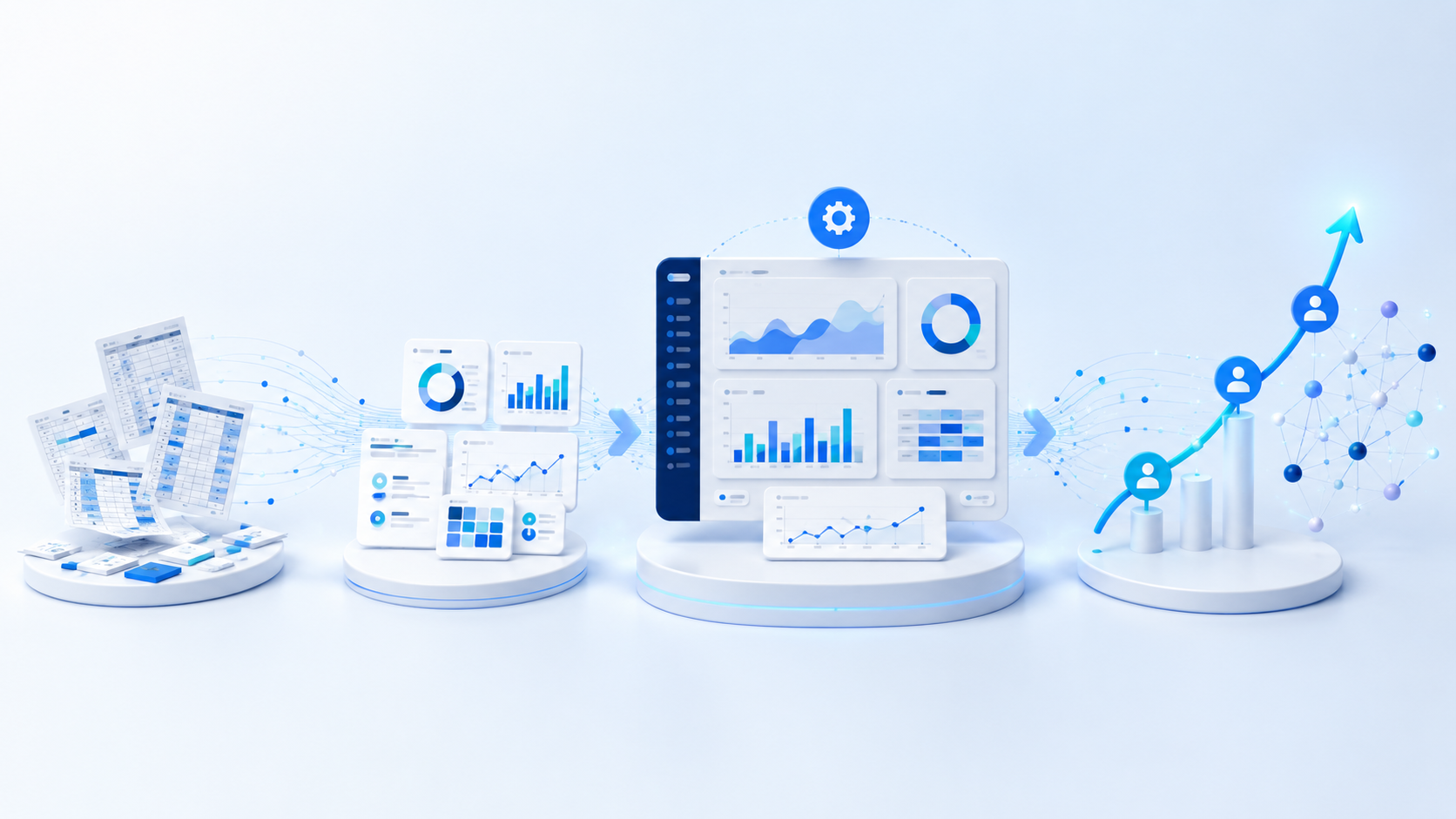
Organizations that truly want to understand their internal dynamics, anticipate workforce challenges, and support strategic decision-making need a specialized People analytics solution capable of transforming data into actionable insights.
HR reporting rarely appears as a separate expense on an
Most organizations do not have an HR data problem. They
Not every organization approaches HR reporting the same way. Some
Manual HR reporting often costs more than organizations realize. The
HR reporting can be automated by connecting data from your
For many years, the HR Business Partner (HRBP) role was
You have an HR dashboard. But are you actually making
Digital transformation has become a top priority for organizations. Yet
Digital transformation has become a strategic priority for organizations of
Data has become an essential driver for HR teams. Yet
Where Does Your Organization Really Stand?
Compare your retention, turnover, absenteeism, and internal mobility metrics using the benchmarks from the 2026 HR Benchmarking Report.