Predictive analytics in Human Resources is generating a lot of interest. Let’s be honest—who wouldn’t want to predict turnover, forecast engagement, or detect flight risks before they happen? Yet, many projects fail before they even begin. Why? Because organizations often jump straight to technology without first building atrue data-driven HR culture.
From Data to Decision: More Than Just Tools
Adopting an analytical approach goes beyond buying a platform or hiring an analyst. It requires a mindset shift—from intuition-based decision-making to evidence-based decision-making.
In other words, it’s not just about collecting HR data; it’s about trusting it and actively using it to guide strategic decisions.
The Pillars of a Data-Driven HR Culture
1. Data Quality and Governance
You can’t build predictive models on incomplete or inconsistent data. Before anything else, it’s essential to ensure:
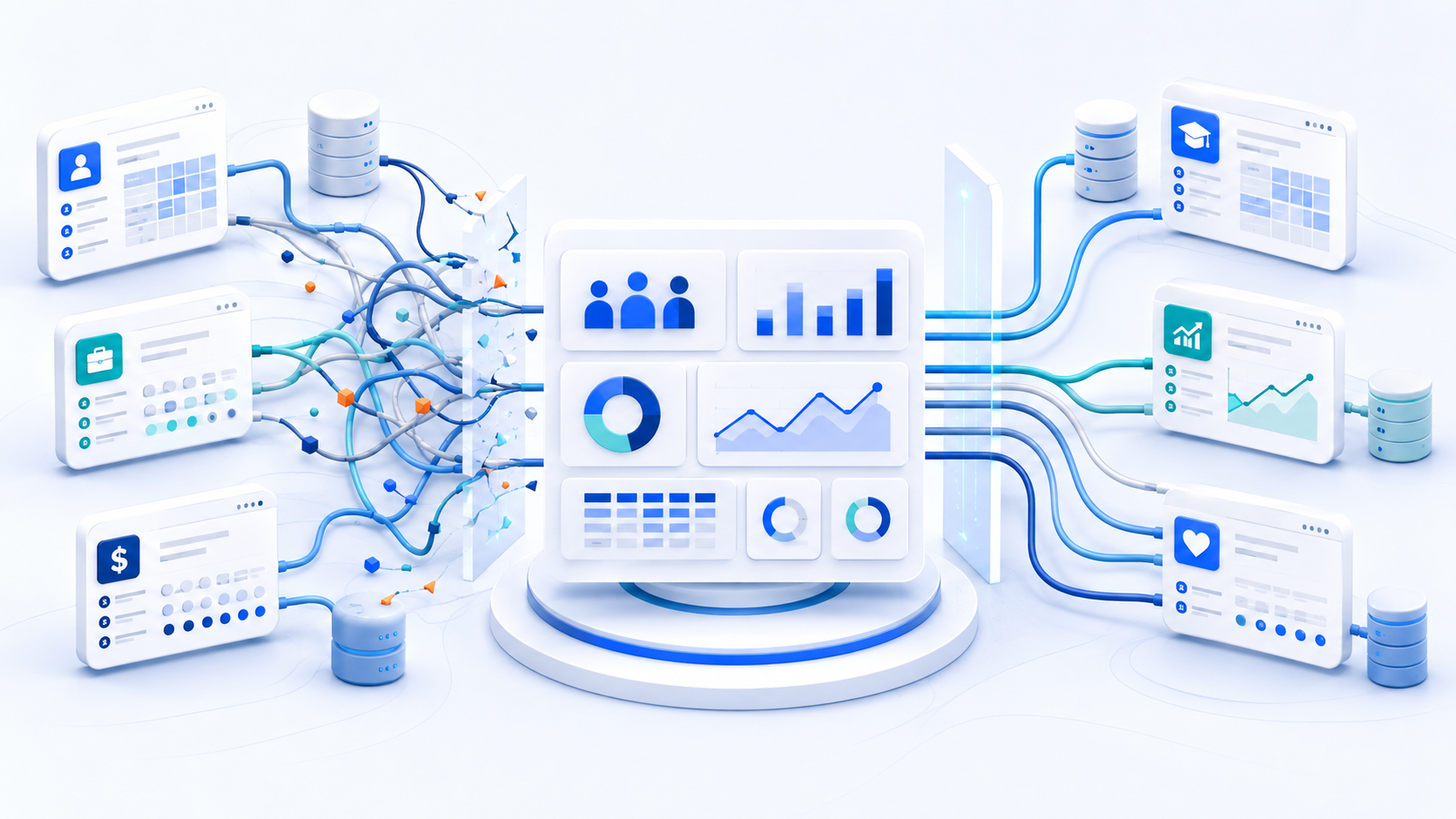
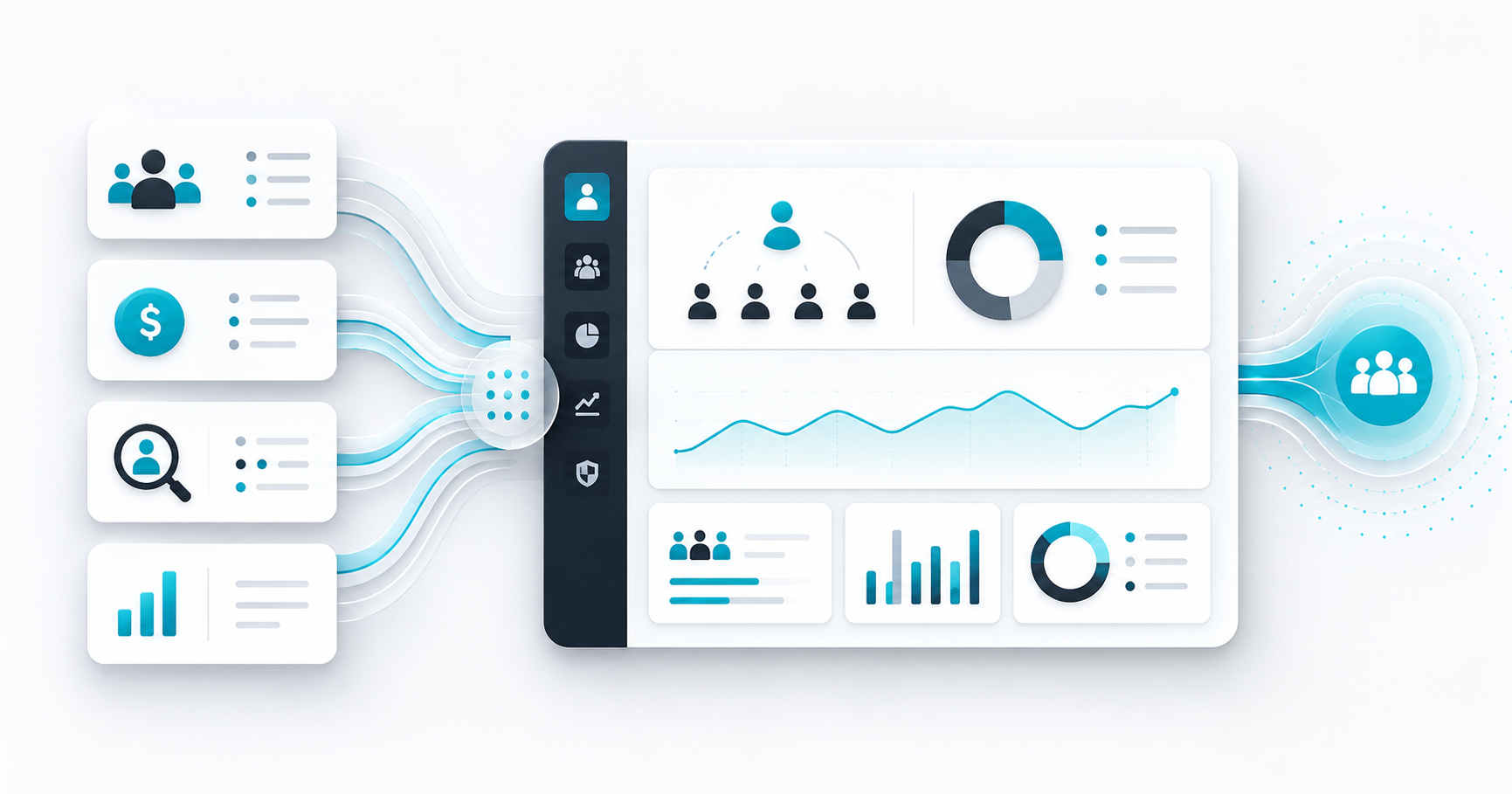
- Consistency of information across HR systems (payroll, HRIS, recruitment, performance, etc.);
- Shared definitions (what exactly do we mean by “turnover”? “absenteeism”?);
- Clear governance—who owns, maintains, and validates the data.
It’s important to emphasize that a predictive model is only as good as the data that feeds it.
2. HR Data Literacy
For a data culture to take root, HR teams need to understand what they’re looking at. This doesn’t mean every HR professional must become a data scientist, but they should be able to:
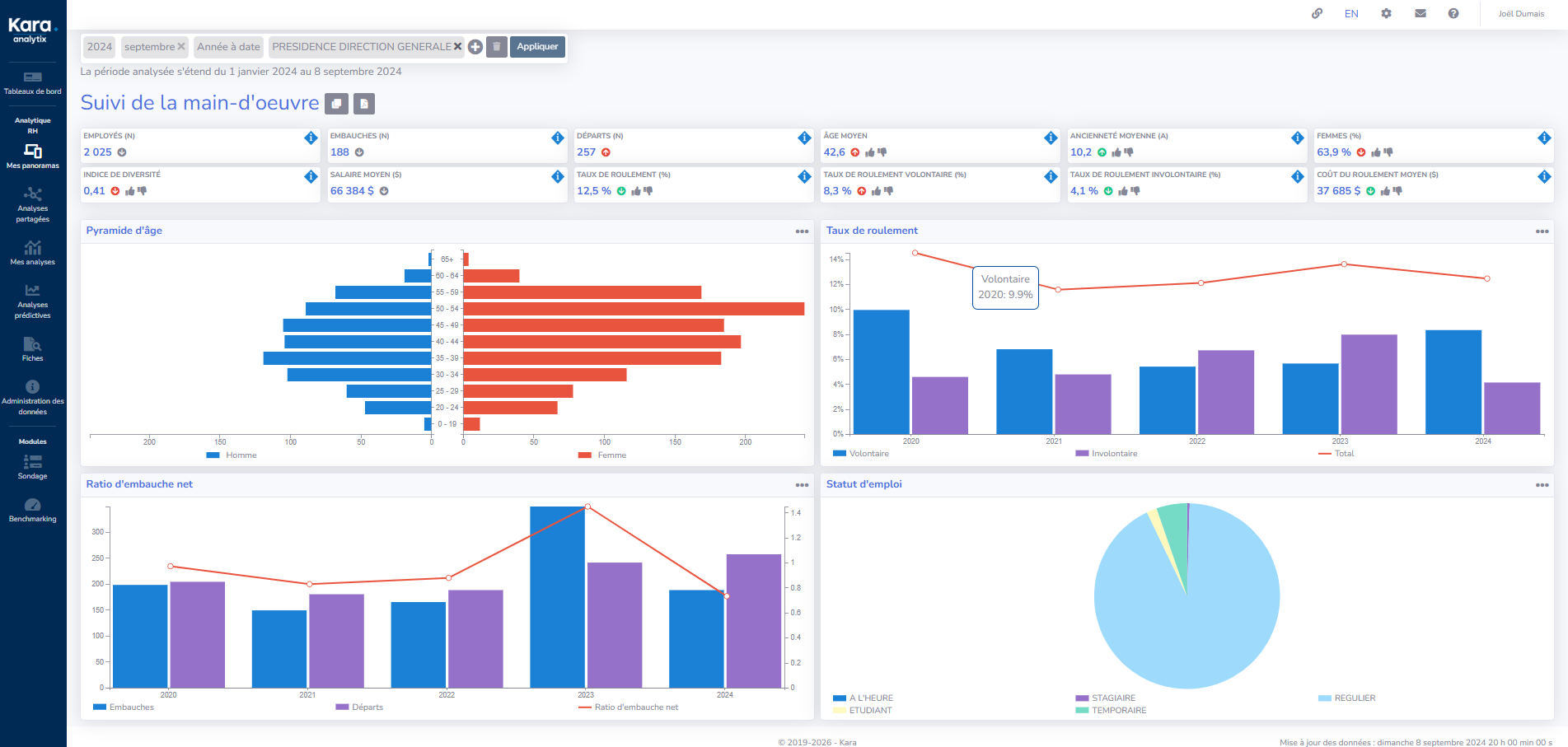
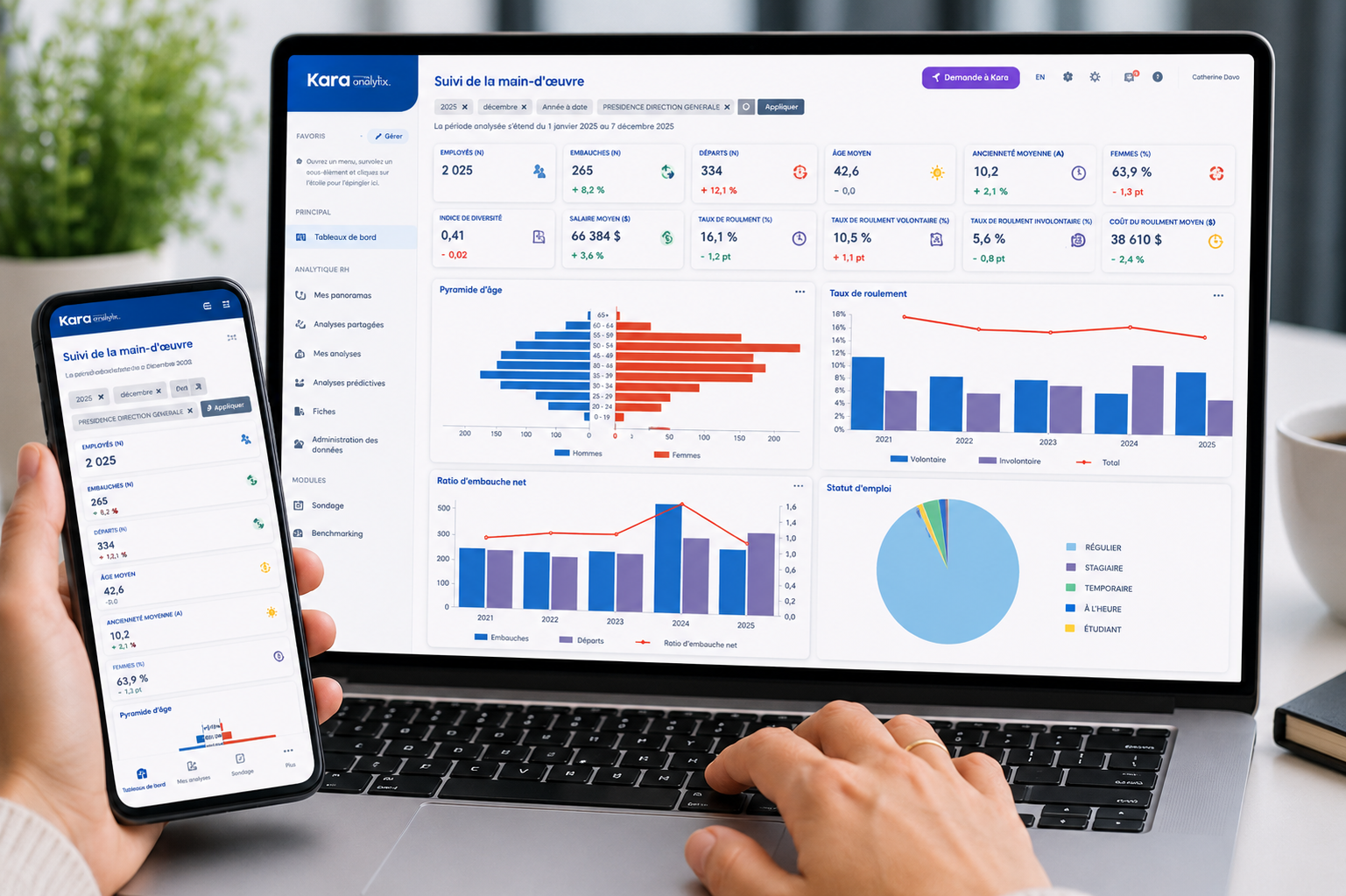
- Read and interpret dashboards;
- Question trends;
- Explain results.
Training HR professionals in data literacy gives them the tools to turn numbers into action.
3. Collaboration Between HR, IT, and Leadership
Achieving predictive HR analytics is a team effort. HR professionals understand people challenges, IT ensures technological reliability, and leadership defines strategic priorities.
A data culture emerges when these three stakeholders work together toward common goals such as :
- Reducing turnover;
- Improving retention;
- Workforce planning.
4. Trust and Transparency
HR data concerns your people. It must therefore be managed with the highest ethical standards. Explaining to employees why and how their data is used fosters trust and reduces resistance.
Transparency creates a virtuous cycle: the more employees trust the process, the more reliable the data becomes—and the more useful the resulting insights are.
Once these foundations are in place, predictive analytics truly becomes accessible.
We can then move from:
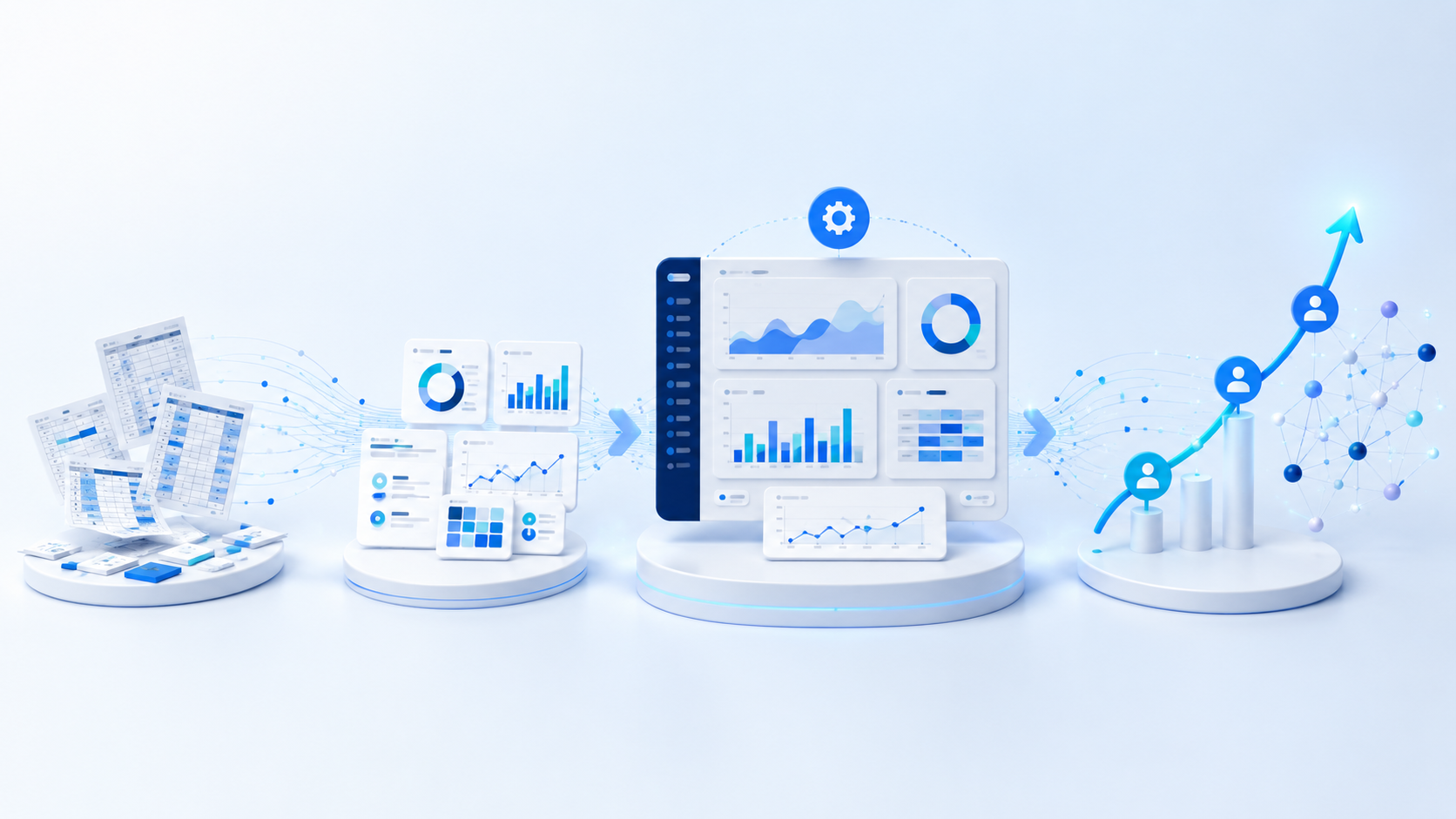
- Descriptive (“What happened?”)
- To diagnostic (“Why did it happen?”)
- To predictive (“What will happen and what can we do about it?”)
This is where HR analytics becomes a strategic lever to anticipate risks, plan talent, and strengthen engagement.
In summary, predictive HR does not begin with an algorithm, but with a culture where data is reliable, shared, understood, and used to improve decision-making.
If you want to achieve predictive capabilities, you must invest in data quality, training, and transparency—investing in your organization’s ability to anticipate rather than react.