Blog Details
- Home
- HR + AI: Complementary Forces or a Threat?


Artificial intelligence is currently transforming nearly every business function, including human resources. With the rise of generative AI tools and advanced analytics platforms, one question keeps coming up: Is AI a threat to HR… or an opportunity?
While new technologies promise significant time savings, stronger analytical capabilities, and more informed decision-making, some fear that automation could dehumanize the HR function.
In reality, artificial intelligence is transforming HR far more than replacing it. And this transformation could profoundly redefine the strategic role of HR professionals in the years ahead.
Human resources generate an enormous amount of data:
For a long time, this data remained underutilized or was used only descriptively.
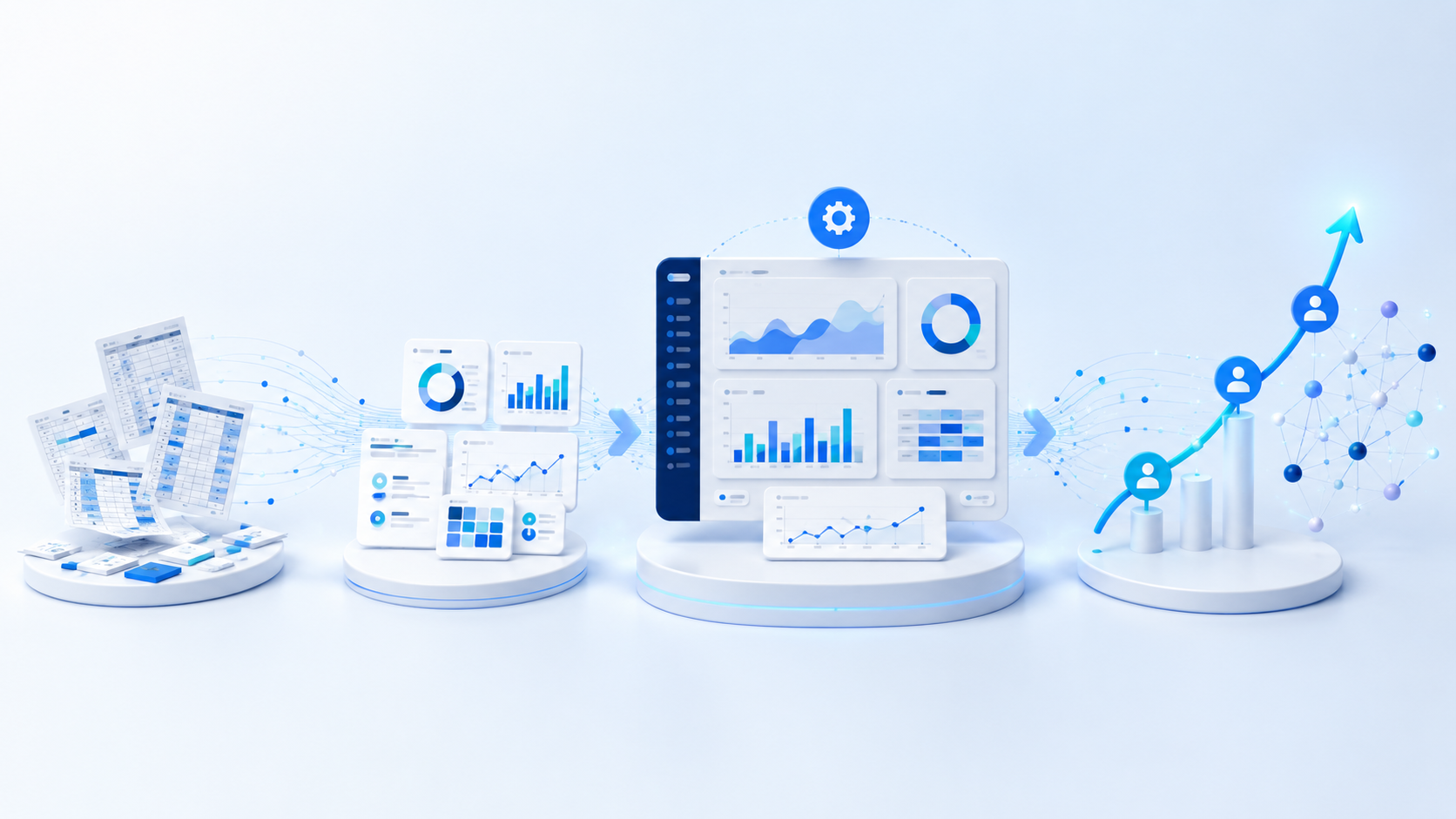
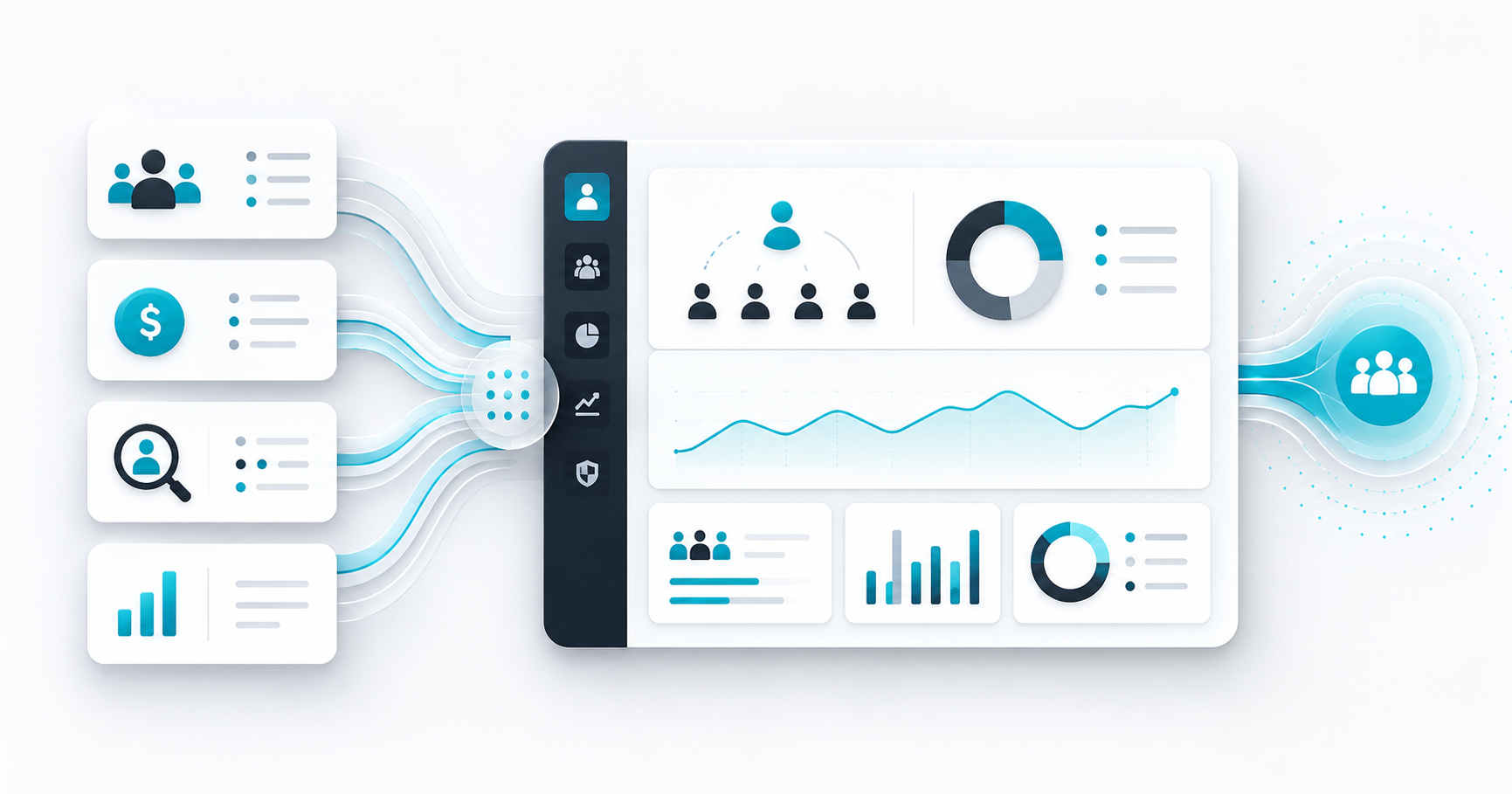
Today, artificial intelligence makes it possible to quickly analyze large volumes of information, identify trends that are difficult to detect manually, and automate certain analyses. HR teams are no longer limited to observing what has already happened — they can now act more proactively.

Recruitment
AI can help:
Some platforms can even suggest profiles with higher potential based on historical data.
Advanced Analytics
Artificial intelligence significantly accelerates HR data analysis.
It can notably:
This predictive capability represents a major shift for HR teams.
Administrative Tasks
Many repetitive tasks can already be automated:
The goal is not necessarily to replace HR professionals, but rather to free up time for higher-value strategic and human-centered activities.
Partially, yes.
Some HR tasks are indeed likely to become automated over the next few years, particularly highly administrative or repetitive activities
However, human resources are not limited to processes and metrics. The profession also relies heavily on the human side of work:
And these are precisely the dimensions that remain difficult to replace with technology. AI can detect trends and generate probabilities, but it does not truly understand culture, emotions, or human nuance. An algorithmic recommendation may appear statistically logical… while still being inadequate from a human perspective.

The greatest danger for HR teams is probably not artificial intelligence itself. The real risk is instead:
The use of AI in HR also raises several important questions regarding:
For example, if a predictive system identifies certain employees as being “at risk of leaving,” how will that information be used? How can organizations prevent biases embedded in historical data from influencing future decisions?
These questions demonstrate that artificial intelligence cannot operate alone. It requires human oversight, ethical reflection, and clear governance.
Contrary to what some may believe, AI could actually allow HR to become more human again. By automating repetitive tasks, HR teams could dedicate more time to:
In other words: less administration and more strategic value.
Rather than asking whether AI will replace HR, we should focus on how HR can use AI to become more influential and strategic.
Because ultimately, even in a world driven by data and algorithms, organizations remain deeply human.
HR reporting rarely appears as a separate expense on an
Most organizations do not have an HR data problem. They
Not every organization approaches HR reporting the same way. Some
Manual HR reporting often costs more than organizations realize. The
HR reporting can be automated by connecting data from your
For many years, the HR Business Partner (HRBP) role was
You have an HR dashboard. But are you actually making
Digital transformation has become a top priority for organizations. Yet
Digital transformation has become a strategic priority for organizations of
Data has become an essential driver for HR teams. Yet
Where Does Your Organization Really Stand?
Compare your retention, turnover, absenteeism, and internal mobility metrics using the benchmarks from the 2026 HR Benchmarking Report.